Vanilla Bean Cheesecake
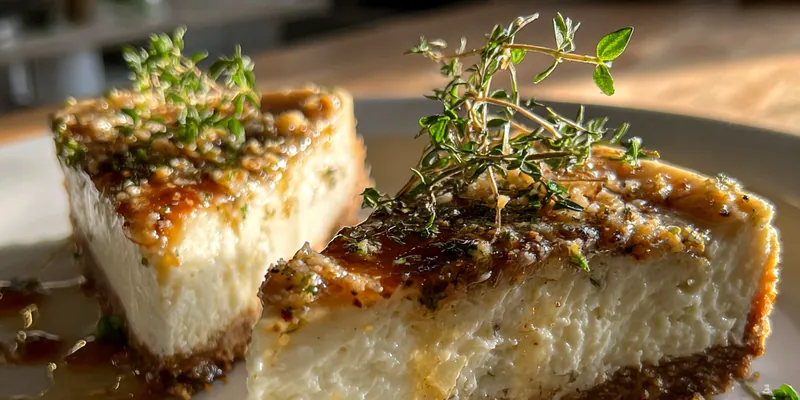
Vanilla Bean Cheesecake is a creamy and decadent dessert that brings the classic flavors of vanilla to the forefront. The use of real vanilla beans elevates this cheesecake, giving it an authentic taste that's hard to resist. This cheesecake is perfect for special occasions, family gatherings, or simply as a delightful treat at the end of a meal. Its rich texture and subtle sweetness make it a favorite among dessert lovers. With a buttery graham cracker crust and a smooth filling, it’s sure to impress anyone who tries it.

Why This Vanilla Bean Cheesecake Works
The technique behind making a perfect Vanilla Bean Cheesecake lies in the balance of ingredients and the baking process. By carefully incorporating eggs at room temperature, you achieve a creamy texture that is essential for a successful cheesecake. Additionally, baking at a lower temperature with a water bath can prevent cracking while ensuring even cooking. The use of real vanilla beans adds depth of flavor and aroma that enhances the entire dessert experience.
What makes this cheesecake special is the combination of rich cream cheese and the aromatic vanilla bean. This cheesecake not only looks stunning but also tastes incredible. The graham cracker crust provides a delightful crunch that complements the smooth filling. This dessert is versatile enough to be served at formal gatherings or casual dinners, making it an all-around favorite.
💡 Professional Tip
For the best results, ensure all your ingredients are at room temperature before mixing. This allows for a smoother batter and prevents lumps. Additionally, consider using a water bath to bake your cheesecake; it helps regulate the temperature and creates a perfect texture. Finally, don't rush the cooling process; letting the cheesecake cool slowly in the oven will significantly enhance its flavor and texture.
Frequently Asked Questions
Absolutely! Vanilla Bean Cheesecake can be made a day or two in advance, which makes it a perfect dessert for gatherings. Store it covered in the refrigerator to maintain its freshness. Just make sure to let it come to room temperature before serving for the best flavor and texture.
If you can’t find vanilla beans, you can substitute with high-quality vanilla extract; about 1 tablespoon should suffice. For a lighter version, consider using low-fat cream cheese or Greek yogurt. However, these substitutions may alter the final texture and flavor slightly.
A cheesecake is done baking when the edges are set and the center still has a slight jiggle. It should not be completely firm as it will continue to set while cooling. A gentle shake of the pan will help you determine if it's ready.
Yes, Vanilla Bean Cheesecake freezes well. Wrap it tightly in plastic wrap and then in aluminum foil to protect it from freezer burn. It can be stored for up to three months; just thaw it in the refrigerator overnight before serving.
Vanilla Bean Cheesecake pairs wonderfully with fresh fruits like strawberries, blueberries, or raspberries. A dollop of whipped cream or a drizzle of chocolate sauce can also enhance its flavor. For a touch of elegance, consider serving it with a fruit compote or a berry coulis.
Vanilla Bean Cheesecake can be stored in the refrigerator for up to one week. Make sure to keep it covered to prevent it from absorbing any odors from other foods. If you decide to freeze it, follow the freezing instructions for optimal quality.
For a hint of spice, consider adding a pinch of cinnamon or nutmeg to the crust. However, be cautious as these spices can easily overpower the delicate vanilla flavor. It's best to start with a small amount and adjust according to your taste preferences.
If you prefer your cheesecake slightly warm, the best way to reheat it is in the oven at a low temperature, around 200°F (93°C), for about 10 minutes. This method helps maintain the texture without cooking it further. Avoid using the microwave as it can cause the cheesecake to become rubbery.
Recipe Troubleshooting Guide
Too Dry
Problem: If your cheesecake turns out dry, it may be overbaked or not enough cream cheese was used.
Solution: To prevent this, ensure you bake the cheesecake just until the edges are set and the center remains jiggly. Additionally, always use full-fat cream cheese for the best moisture.
Not Crispy
Problem: A cheesecake crust that is not crispy can result from not baking it long enough or using too much butter.
Solution: Make sure to bake the crust until it is golden brown, and adjust the butter to crumb ratio if necessary for a firmer texture.
Overcooked
Problem: An overcooked cheesecake will have a dry, crumbly texture and can crack easily.
Prevention: To avoid this, monitor the baking time closely and use a water bath for even cooking. Always turn off the oven and let it cool gradually.
Undercooked
Problem: An undercooked cheesecake will be too soft and may not hold its shape.
Recovery: Ensure you bake it long enough and check for the proper doneness by gently shaking the pan to see if the center jiggles slightly.
Burnt
Problem: A burnt cheesecake may occur if the oven temperature is too high or it’s placed too close to the heating element.
Prevention: Always use an oven thermometer to check the temperature and place your cheesecake in the center of the oven. If needed, cover it with foil to protect it from direct heat.
Flavor Balance
Too Sweet: If the cheesecake is too sweet, it can be balanced with a tart topping like fresh berries.
Too Salty: A hint of salt in the crust can enhance the overall flavor and counteract sweetness.
Bland: If the cheesecake tastes bland, consider adding a touch more vanilla extract or a splash of lemon juice for brightness.
Key Ingredients
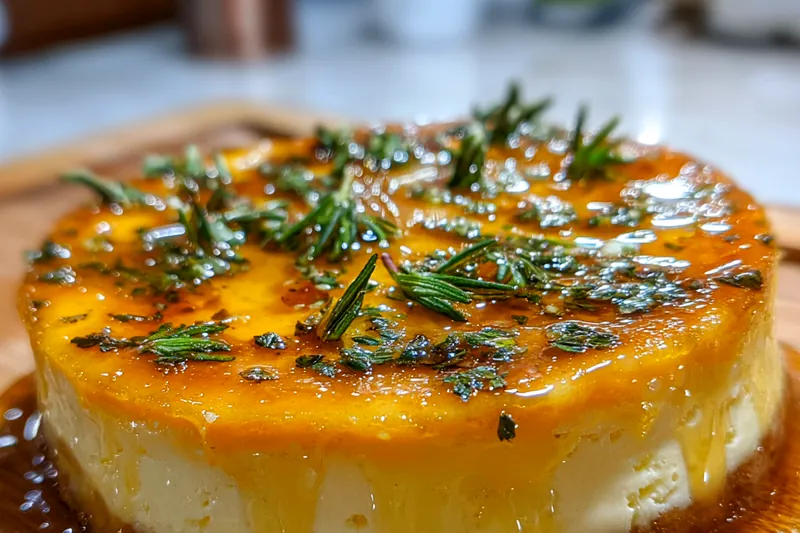
The main ingredients for Vanilla Bean Cheesecake include cream cheese, sugar, and eggs. Cream cheese provides a rich, velvety texture that is essential for any cheesecake. Sugar sweetens the mixture, while eggs act as a binding agent, helping the cheesecake set properly. The combination of these ingredients results in a smooth filling that melts in your mouth.
Seasonings play a crucial role in enhancing the flavors of the cheesecake. The star ingredient is the vanilla bean, which adds an intense vanilla flavor that cannot be replicated by extract alone. A touch of salt balances the sweetness, while a hint of lemon juice brightens the flavor profile, making the cheesecake taste refreshing and not overly rich.
Essential Ingredient Notes
- Main Ingredient: Cream cheese is the primary ingredient in a vanilla bean cheesecake, and it should be at room temperature for easy mixing. This helps achieve a lump-free batter and a smooth texture. Opt for full-fat cream cheese to ensure the best flavor and creaminess in your cheesecake.
- Second Key Ingredient: Vanilla beans are essential for an authentic vanilla flavor. Scrape out the seeds and mix them into the batter to distribute the flavor evenly. While vanilla extract can be used as a substitute, nothing compares to the depth of flavor that fresh vanilla beans provide.
- Essential Seasoning: Salt is a surprisingly important ingredient in desserts. It helps enhance the flavors and balances the sweetness of the cheesecake. Adding just a pinch can elevate the overall taste, making the vanilla flavor stand out even more.
Cooking Process
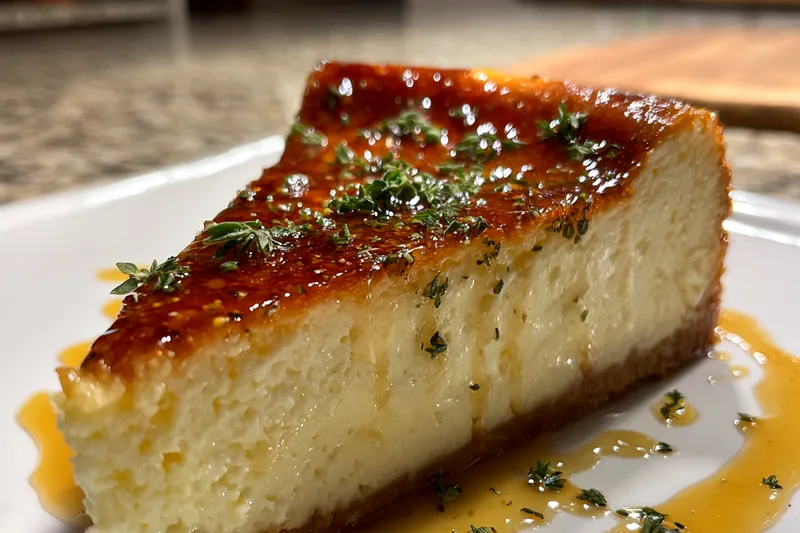
The cooking process for Vanilla Bean Cheesecake is straightforward and requires careful attention to detail. Start by preparing the crust and baking it to achieve a firm base. While the crust cools, mix the cream cheese and other ingredients until smooth, ensuring no lumps remain. Pour the filling over the cooled crust, then bake at a moderate temperature to allow the cheesecake to set without overcooking.
After baking, let the cheesecake cool gradually in the oven to prevent cracks. Once cooled, refrigerate it for several hours or overnight to allow the flavors to meld and the texture to firm up. This chilling process is crucial for achieving the perfect slice and ensuring a delightful eating experience.
Key Technique
Using a water bath is a key technique for baking cheesecakes. It helps regulate the temperature, ensuring even cooking and preventing the edges from overcooking while the center remains undercooked. This method also helps to avoid cracks on the surface, resulting in a beautifully smooth cheesecake. If you don't have a water bath setup, you can place a pan of water on the lower rack of the oven as an alternative.
Vanilla Bean Cheesecake
📋 Ingredients
Main Ingredients
- 1 cup granulated sugarsweetens the cheesecake
- ½ teaspoon saltbalances the sweetness
- 1 tablespoon lemon juiceadds a refreshing acidity
Sauce/Seasoning
- 2 cups cream cheese, softenedbase of the cheesecake
- 1 ½ cups graham cracker crumbsfor the crust
- ½ cup unsalted butter, meltedbinds the crust
- 3 large eggsfor structure
- 1 cup sour creamadds creaminess
- 2 teaspoons vanilla extractflavor enhancer
- 1 vanilla bean, seeds scrapedfor authentic flavor
- 1 tablespoon all-purpose flourstabilizes the filling
Instructions
Prepare the Crust
Preheat your oven to 350°F (175°C). In a mixing bowl, combine the graham cracker crumbs and melted butter until well blended. Press the mixture firmly into the bottom of a 9-inch springform pan to form the crust.
Bake the Crust
Bake the crust in the preheated oven for about 10 minutes or until lightly golden. Remove from the oven and let it cool while you prepare the filling.
Make the Filling
In a large mixing bowl, beat the softened cream cheese and granulated sugar until smooth. Add the eggs, one at a time, mixing well after each addition to ensure a creamy texture.
Add Vanilla and Sour Cream
Incorporate the sour cream, vanilla extract, scraped vanilla bean seeds, salt, and flour into the mixture. Mix until fully combined and creamy.
Pour the Mixture
Pour the cheesecake filling over the cooled crust in the springform pan. Smooth the top with a spatula for an even surface.
Bake the Cheesecake
Bake the cheesecake in the oven for about 30 minutes. The edges should be set while the center remains slightly jiggly.
Cool and Chill
Turn off the oven and crack the door open, allowing the cheesecake to cool in the oven for an hour. Once cooled, refrigerate for at least 4 hours or overnight for best results.
Serve
Carefully remove the cheesecake from the springform pan. Slice and serve chilled, optionally garnished with fresh fruit or whipped cream.
Recipe Notes & Tips
Storage Tips
Store your Vanilla Bean Cheesecake in an airtight container in the refrigerator to keep it fresh. It can last for up to one week. If freezing, ensure it is well-wrapped to prevent freezer burn.
Serving Ideas
Consider serving with a side of fresh fruit, such as strawberries or blueberries, for added flavor and color. Whipped cream or a fruit compote also enhance the presentation and taste.
Variations
For a chocolate twist, you can incorporate cocoa powder into the filling or drizzle melted chocolate on top. Alternatively, experiment with different crusts, such as Oreo or nut crusts, for unique flavor profiles.