Tabbouleh
Tabbouleh is a bright and refreshing salad hailing from the Mediterranean, known for its vibrant flavors and healthy ingredients. This dish is primarily made of finely chopped parsley, bulgur wheat, tomatoes, and a tangy dressing of olive oil and lemon juice. It’s perfect for summer gatherings, barbecues, or as a side dish to grilled meats. What makes tabbouleh truly special is its ability to highlight fresh ingredients, making every bite a burst of flavor. Not only is it delicious, but it’s also packed with nutrients, making it a healthy addition to any meal.

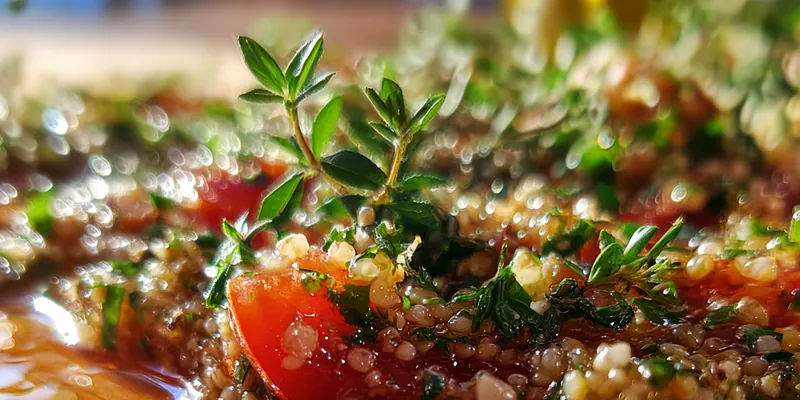
Why This Tabbouleh Works
The technique of soaking bulgur wheat allows it to absorb the flavors of the dressing and fresh herbs. This method not only softens the wheat but also enhances its texture, making it a delightful base for the salad. Each ingredient plays a crucial role, from the freshness of the herbs to the acidity of the lemon juice, all working in harmony. The balance of flavors is what makes this dish stand out, offering a refreshing experience with every bite.
What makes Tabbouleh truly special is the combination of fresh ingredients and simple preparation. It’s a dish that celebrates the flavors of summer, with its bright green parsley and vibrant vegetables. The use of high-quality olive oil and freshly squeezed lemon juice elevates the salad, making it a favorite among many. Plus, it's versatile; whether served as a side dish or a light main course, Tabbouleh is always a hit.
💡 Professional Tip
For the best results, always use fresh herbs and vegetables. If you're short on time, you can prepare the bulgur ahead and mix the other ingredients just before serving. Additionally, letting the salad sit for a while before serving allows the flavors to meld beautifully. Adjust the seasoning based on your taste preferences, and don't hesitate to play around with ingredients to make it your own.
Frequently Asked Questions
Yes, Tabbouleh can be made ahead of time! It's actually beneficial to let it sit for a few hours or overnight in the refrigerator, as this allows the flavors to develop fully. Just be sure to store it in an airtight container to keep it fresh. When you're ready to serve, give it a quick stir and adjust the seasoning if necessary.
If you don't have bulgur wheat, quinoa or couscous can be great alternatives. You can also add in other vegetables like bell peppers or radishes for extra crunch. For a gluten-free version, opt for cauliflower rice instead of bulgur. The key is to maintain the fresh herbs and dressing to keep the essence of Tabbouleh intact.
Tabbouleh is done when the bulgur wheat has absorbed all the water and is tender but still has a bit of bite. The herbs should be finely chopped, and the vegetables diced small to create a cohesive mix. Once combined with the dressing, taste and adjust the seasoning as needed. If it tastes fresh and vibrant, you're good to go!
Freezing Tabbouleh is not recommended as it can alter the texture of the ingredients. The fresh herbs and vegetables may become mushy upon thawing. However, you can prepare the bulgur ahead and freeze it separately, then mix in fresh ingredients when you're ready to serve. This way, you can enjoy the flavors without compromising the quality.
Tabbouleh pairs well with a variety of dishes. It’s often served alongside grilled meats, fish, or falafel for a complete meal. You can also enjoy it as a refreshing side dish with pita bread and hummus. For a lighter option, serve it as a salad on its own or as part of a mezze platter.
Tabbouleh can be stored in the refrigerator for up to 3 days. Make sure it’s in an airtight container to maintain freshness. Over time, the herbs may begin to wilt, so it’s best enjoyed fresh. If you notice excess moisture, you can drain it before serving to keep the texture intact.
To adjust the spice level, consider adding crushed red pepper or a dash of cayenne pepper for heat. Begin with a small amount and taste as you go to ensure it suits your preference. If you prefer a milder flavor, stick to the traditional recipe without adding spicy elements. Tabbouleh is meant to be fresh and light, so balance is key.
Reheating Tabbouleh isn't necessary, as it’s best served cold or at room temperature. If you prefer to warm it slightly, do so in a microwave for a short period on low power. Be cautious not to overheat, as it can change the texture of the fresh ingredients. Enjoy it as it is to appreciate its vibrant flavors.
Recipe Troubleshooting Guide
Too Dry
Problem: If your Tabbouleh turns out too dry, the bulgur may not have absorbed enough water. This can happen if the soaking time was too short.
Solution: To fix this, add a little more olive oil or lemon juice to moisten the salad. You can also add a splash of water and let it sit for a few minutes to allow it to absorb the moisture.
Not Crispy
Problem: If your Tabbouleh lacks crunch, it might be due to over-soaking the bulgur or not using fresh vegetables.
Solution: Ensure that your vegetables are fresh and diced finely without being mushy. If the bulgur is over-soaked, try adding more fresh herbs and vegetables to counterbalance the texture.
Overcooked
Problem: Overcooked bulgur can lead to a mushy texture in your Tabbouleh, which is not desirable.
Prevention: If this happens, try mixing in more fresh herbs and a bit of lemon juice to brighten the flavors. You can also add diced vegetables to improve the texture.
Undercooked
Problem: Undercooked bulgur will be tough and chewy, making the Tabbouleh less enjoyable to eat.
Recovery: To remedy this, you can add a bit more boiling water, cover, and let it sit until fully cooked. Fluff with a fork before mixing with the other ingredients.
Burnt
Problem: If you accidentally burnt the bulgur, it can impart an unpleasant flavor to the Tabbouleh.
Prevention: In this case, it’s best to start over with fresh bulgur. Be cautious with water temperature next time to prevent burning. When cooking, always monitor closely to achieve the desired texture.
Flavor Balance
Too Sweet: If your Tabbouleh tastes too sweet, it may be from overly ripe tomatoes or too much dressing.
Too Salty: Conversely, if it’s too salty, you may have added too much salt or used a salty dressing.
Bland: If the salad is bland, it might need more seasoning or a splash more lemon juice for brightness.
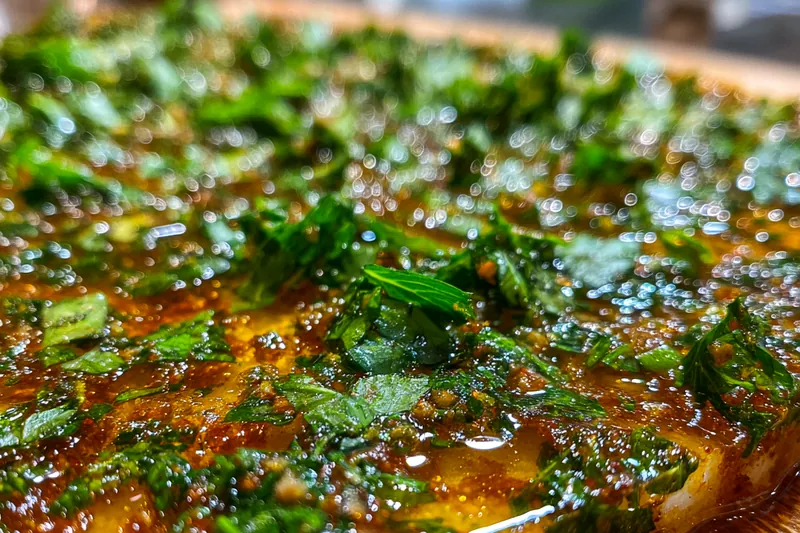
Key Ingredients
The primary ingredients in Tabbouleh are bulgur wheat, fresh parsley, and mint. Bulgur provides a nutty flavor and chewy texture, making it a hearty base for the salad. Fresh parsley is the star of the dish, contributing a bright, herbal note, while mint adds a refreshing twist. Together, they create a deliciously aromatic experience.
Seasonings play a vital role in Tabbouleh. Extra virgin olive oil enhances the flavor, while fresh lemon juice provides acidity that brightens the dish. Salt and pepper are essential for balancing the flavors, ensuring every bite is seasoned perfectly. The use of high-quality ingredients here is key to achieving an authentic and flavorful Tabbouleh.
Essential Ingredient Notes
- Main Ingredient: Bulgur wheat is an essential component of Tabbouleh, offering both texture and nutrition. It’s a whole grain that is high in fiber and protein, making it a healthier alternative to some traditional grains. When prepared correctly, bulgur should have a slight chewiness that complements the fresh herbs. Always choose fine bulgur for a more authentic texture.
- Second Key Ingredient: Fresh parsley is crucial to Tabbouleh, providing a bright green color and a fresh taste. It's packed with vitamins and antioxidants, making this salad not only delicious but also nutritious. Be sure to chop it finely to release its aromatic oils and enhance its flavor. The quality of parsley can significantly affect the overall taste of the dish.
- Essential Seasoning: Extra virgin olive oil is an essential seasoning in Tabbouleh, adding richness and depth to the flavors. The oil should be high-quality, as it directly impacts the taste of the salad. Complementing the oil, fresh lemon juice adds acidity and brightness, balancing the richness. Using the right amount of both can elevate your Tabbouleh to a whole new level.
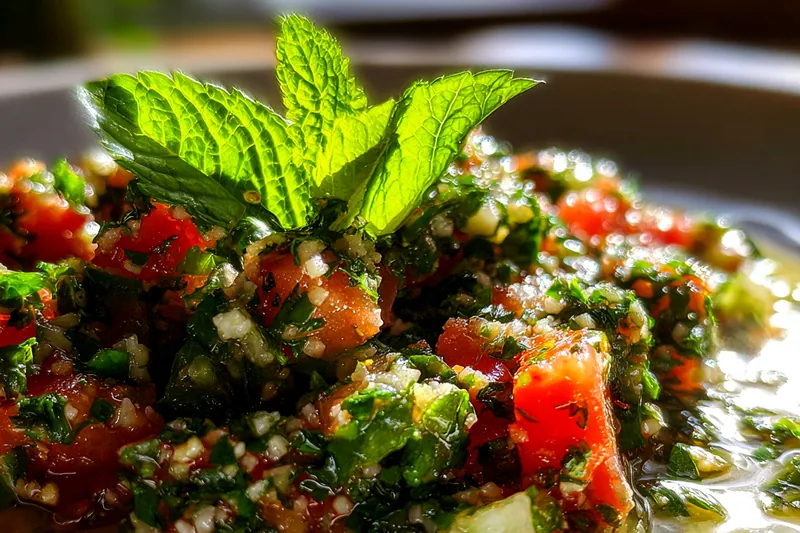
Cooking Process
The cooking process for Tabbouleh is quite straightforward and involves soaking rather than cooking. Start by combining bulgur wheat with boiling water and allowing it to absorb the liquid. This process softens the wheat while maintaining its texture, which is key for a great salad. It’s important to use the correct ratio of bulgur to water to achieve the right consistency.
Once the bulgur is ready, the real magic happens when you combine it with fresh herbs and vegetables. Mixing in the olive oil and lemon juice should be done gently to ensure all ingredients are well-coated. Adjust the seasoning to taste, allowing the flavors to meld together. Chill the salad before serving to let the ingredients come together beautifully.
Key Technique
The key technique for making Tabbouleh is the soaking method for bulgur. This method allows the grains to absorb flavors without direct cooking, resulting in a tender texture. It’s crucial to let the bulgur sit long enough to fully hydrate, ensuring each bite is light and fluffy. Mastering this technique will elevate your Tabbouleh and create a delightful experience in every serving.
Tabbouleh
📋 Ingredients
Main Ingredients
- 1/4 cup olive oilhigh quality, extra virgin
- 1/4 cup lemon juicefreshly squeezed
Sauce/Seasoning
- 1 cup bulgur wheatrinsed and drained
- 2 cups fresh parsleyfinely chopped
- 1/2 cup fresh mintfinely chopped
- 1 medium tomatodiced
- 1/2 cucumberdiced
- 1/4 cup green onionssliced
Instructions
Prepare the Bulgur
In a large bowl, combine the bulgur wheat and boiling water. Cover with a lid or plastic wrap and let it sit for about 30 minutes until the bulgur absorbs the water and becomes tender.
Chop the Herbs and Vegetables
While the bulgur is soaking, finely chop the parsley and mint. Dice the tomato and cucumber into small pieces, and slice the green onions. Make sure all ingredients are fresh for the best flavor.
Combine Ingredients
Once the bulgur has absorbed the water, fluff it with a fork to break up any clumps. Add the chopped herbs, diced vegetables, olive oil, and lemon juice to the bulgur. Mix thoroughly to combine.
Season the Salad
Taste the tabbouleh and season with salt and pepper according to your preference. The seasoning is important as it enhances the freshness of the ingredients.
Chill and Serve
For the best flavor, cover the tabbouleh and refrigerate for at least 30 minutes before serving. This allows the flavors to meld beautifully.
Presentation
Serve the tabbouleh in a bowl or on a platter, garnished with additional parsley or mint. Pair it with pita bread or serve it alongside grilled meats for a complete meal.
Recipe Notes & Tips
Storage Tips
Store Tabbouleh in an airtight container in the refrigerator for up to 3 days. If you notice excess moisture, you can drain it before serving to keep the texture intact. For best results, consume it fresh, as the herbs may wilt over time.
Serving Ideas
Tabbouleh can be served as a vibrant side dish or a light main course. It pairs beautifully with grilled meats, fish, or as part of a mezze platter with pita and hummus. For a refreshing lunch, enjoy it in a wrap or with fresh vegetable sticks.
Variations
Feel free to experiment with Tabbouleh by adding ingredients like bell peppers, radishes, or even feta cheese for a twist. You can also adjust the herbs according to your preference, using cilantro or adding spices like cumin for depth. These variations can add exciting new flavors while preserving the essence of this classic dish.