Spinach Sautéed with Garlic & Olive Oil
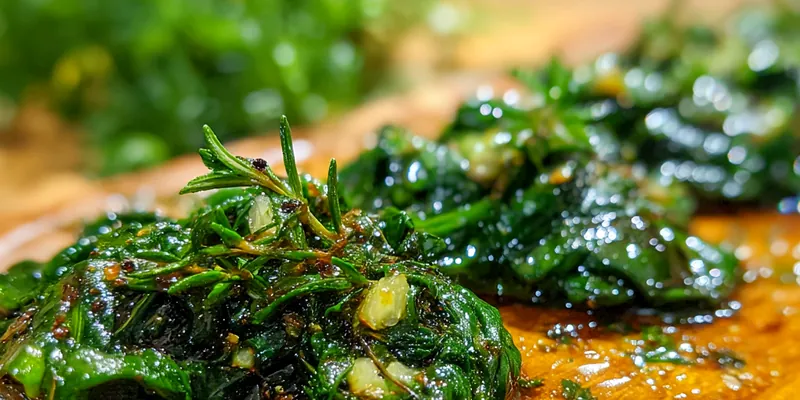
Spinach Sautéed with Garlic & Olive Oil is a vibrant, flavorful dish that celebrates the simplicity of fresh ingredients. This quick and easy recipe showcases the nutritional powerhouse that spinach is, packed with vitamins and minerals. The combination of garlic and olive oil enhances the spinach's natural flavor, making this dish a delightful addition to any meal. Perfect as a side for grilled meats or tossed into pasta, it brings a fresh, earthy quality to your plate. Whether you're a seasoned cook or a beginner, this recipe is approachable and rewarding.

Why This Spinach Sautéed with Garlic & Olive Oil Works
This recipe thrives on the technique of rapid sautéing, which allows for the fresh spinach to retain its vibrant color and nutritional benefits. Cooking the spinach quickly at high heat helps to preserve its delicate texture while enhancing its natural flavors. The garlic, when sautéed just right, infuses the oil and spinach with a warm, aromatic essence that elevates this dish to new heights. This combination not only makes for a tasty side dish but also maintains the healthful properties of the spinach, ensuring you get the most out of your greens.
The key to this dish is high-quality extra virgin olive oil and fresh garlic. These ingredients are not only staples in Mediterranean cuisine but also add a rich depth of flavor that complements the mild spinach. By incorporating simple yet high-quality ingredients, you create a dish that is both luxurious and approachable. This spinach sauté can be enjoyed on its own or paired with various proteins, making it an incredibly versatile dish for any dining occasion.
💡 Professional Tip
For the best results, always use fresh spinach instead of frozen. Fresh spinach will provide a better texture and flavor, making your dish more pleasant to eat. Additionally, avoid overcrowding the pan; if you're making a larger batch, sauté the spinach in batches to ensure even cooking. Lastly, consider adding a splash of balsamic vinegar or a sprinkle of nutmeg for a twist on the traditional flavor profile.
Frequently Asked Questions
Yes, you can prepare the spinach sauté ahead of time. Sauté the spinach and garlic as directed, then allow it to cool before storing it in an airtight container in the refrigerator. It's best to consume it within 2-3 days for optimal flavor and texture. When ready to serve, simply reheat in a skillet over low heat, adding a splash of olive oil if necessary to bring back moisture.
If you don't have spinach on hand, Swiss chard or kale can be excellent substitutes. Both greens have a similar flavor profile and can be sautéed in much the same way. For a different taste, you can also try using arugula or beet greens, which add a peppery kick. Additionally, if you prefer a different seasoning, feel free to experiment with shallots or onions in place of garlic.
The spinach is done when it is wilted but still bright green, typically after about 3-4 minutes of sautéing. You want to avoid overcooking it, as this can lead to a mushy texture and dull color. Taste a small piece to check for doneness; it should be tender yet still retain a bit of bite. If it looks dark and has lost its vibrant color, it may be overcooked.
While it's technically possible to freeze sautéed spinach, the texture may change once thawed. If you plan to freeze it, allow it to cool completely, then place it in a freezer-safe container. Use it within 2-3 months for best quality. However, for the best flavor and texture, it’s recommended to enjoy the sautéed spinach fresh.
This sautéed spinach pairs wonderfully with grilled chicken, fish, or steak, making it a versatile side for any protein. It can also be served alongside pasta dishes or as a topping for pizza. For a lighter meal, consider complementing it with quinoa or a grain salad. Additionally, it works great in omelets or as a filling for wraps and sandwiches.
Sautéed spinach can be stored in the refrigerator for 2-3 days in an airtight container. Ensure it is cooled before sealing to prevent moisture buildup, which can lead to spoilage. If you're unsure, always check for any off smells or changes in texture before consuming. For longer storage, consider freezing, although the texture may not be as enjoyable once reheated.
To adjust the spice level, you can add more or less red pepper flakes according to your taste. If you prefer a milder version, simply omit the red pepper flakes altogether. Alternatively, for those who enjoy a bit more heat, consider adding a pinch of cayenne pepper or a dash of hot sauce. Always taste as you go to achieve the desired flavor profile.
The best way to reheat sautéed spinach is in a skillet over low heat. Add a drizzle of olive oil or a splash of water to prevent it from drying out. Stir frequently until heated through, which should take just a few minutes. Avoid microwaving, as it can make the spinach soggy and affect its texture.
Recipe Troubleshooting Guide
Too Dry
Problem: If your sautéed spinach turns out too dry, it may be due to cooking it too long or using too little oil.
Solution: To remedy this, add a splash of water or olive oil while reheating to restore moisture. You can also try sautéing it with a bit more oil next time for a more succulent result.
Not Crispy
Problem: If the spinach isn't crispy or has a soggy texture, it may have been cooked at too low a heat or for too long.
Solution: Make sure to use high heat and sauté quickly to keep the spinach tender yet firm. Also, avoid overcrowding the pan, which can trap steam and lead to sogginess.
Overcooked
Problem: If your spinach is overcooked, it will appear dark and mushy.
Prevention: To avoid this, keep a close eye on the cooking time and remove it from heat as soon as it is wilted. Cooking in smaller batches can help you maintain control.
Undercooked
Problem: If your spinach is undercooked, it may taste tough and chewy.
Recovery: Sauté for a bit longer, ensuring not to exceed 3-4 minutes of cooking time. Properly rinsing and draining the spinach can also help ensure even cooking.
Burnt
Problem: If your spinach or garlic is burnt, it can impart a bitter taste to the dish.
Prevention: To prevent burning, cook over medium heat and monitor closely. If things start to brown, lower the heat and stir frequently to avoid burning.
Flavor Balance
Too Sweet: If the dish tastes too sweet, it may be due to using overly ripe garlic or not enough seasoning.
Too Salty: If it's too salty, consider adding a splash of lemon juice or serving it with a side of grains to balance the flavor.
Bland: If your sautéed spinach is bland, you can elevate the flavor with additional seasoning, such as more garlic, salt, or a sprinkle of parmesan.
Key Ingredients
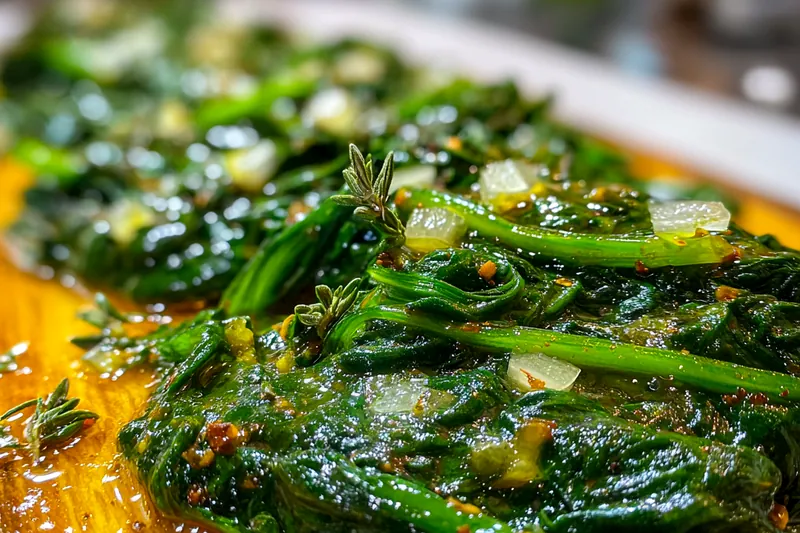
The main ingredient in this recipe is fresh spinach, which is rich in iron, calcium, and vitamins A, C, and K. When selecting spinach, look for vibrant, crisp leaves without any signs of wilting. Fresh spinach not only enhances the flavor but also retains more of its nutritional benefits compared to frozen varieties. This green can be enjoyed raw in salads or briefly cooked, as in this sauté, to highlight its versatility.
Garlic is another key ingredient in this dish, providing a robust aroma and flavor that complements the spinach beautifully. When sautéed, garlic releases its essential oils, giving the dish a warm, savory taste. Extra virgin olive oil is the perfect base for sautéing, as it adds a rich, fruity flavor while also promoting heart health. Together, these ingredients create a harmonious blend that elevates the humble spinach into a standout side dish.
Essential Ingredient Notes
- Main Ingredient: When selecting spinach, opt for organic varieties whenever possible, as they tend to have a richer flavor and fewer pesticides. Look for leaves that are deep green and crisp, avoiding any that are yellowing or slimy. Fresh spinach can easily be stored in a breathable bag in the fridge, where it will stay fresh for several days.
- Second Key Ingredient: Garlic should be fresh and firm, as older garlic can have a sprouted center and a bitter taste. To enhance its flavor, you can also crush or chop the garlic ahead of time, allowing it to sit for a few minutes before cooking to release its beneficial compounds. For a milder taste, consider using roasted garlic instead.
- Essential Seasoning: Extra virgin olive oil is known for its health benefits, including antioxidants and healthy fats. When using it for cooking, ensure you don't heat it past its smoke point to retain its nutritional value. For added flavor, consider infusing the olive oil with herbs like rosemary or thyme before using it in this recipe.
Cooking Process
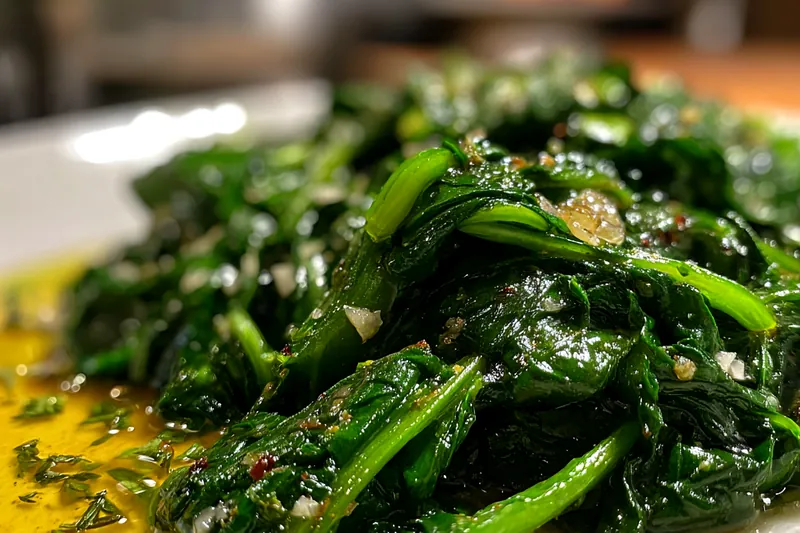
Cooking Spinach Sautéed with Garlic & Olive Oil is a straightforward process that allows the ingredients to shine. Start by preparing your fresh spinach and ensuring it's clean and dry. The cooking time is short, so having everything ready before you begin is crucial. Heat your olive oil and sauté the garlic briefly to unlock its flavor, then add the spinach. The key is to stir-fry the spinach quickly to prevent overcooking, ensuring it remains vibrant and nutritious.
Once the spinach is wilted and the flavors meld, finish the dish with a drizzle of lemon juice. This brightens the flavors and adds a refreshing contrast to the rich olive oil and garlic. Serve immediately for the best taste, but if you do have leftovers, reheating gently is the best way to restore its texture. Enjoy your sautéed spinach as a delicious side that compliments any meal.
Key Technique
The key technique in this recipe is to sauté quickly and at high heat. This method allows the spinach to cook through without losing its vibrant color and nutrients. Stirring frequently ensures even cooking and prevents any burning. Allowing the garlic to infuse the olive oil before adding the spinach enhances the overall flavor profile of the dish. By mastering this technique, you'll be able to create perfectly sautéed greens every time.
Spinach Sautéed with Garlic & Olive Oil
📋 Ingredients
Main Ingredients
- 1/2 teaspoon red pepper flakes (optional)adds a hint of heat
- 1 teaspoon saltseasoning
- 1/2 teaspoon black pepperseasoning
- 1 tablespoon lemon juiceadds brightness
Sauce/Seasoning
- 1 pound fresh spinach, washed and drainedmain ingredient
- 4 tablespoons extra-virgin olive oilfor sautéing
- 4 cloves garlic, mincedessential flavor
- 1/4 cup grated Parmesan cheese (optional)for garnishing
- 1 tablespoon pine nuts (optional)for added crunch
Instructions
Prepare Spinach
Start by washing the spinach thoroughly to remove any dirt or grit. Drain the spinach in a colander and set it aside while you prepare the garlic.
Heat Olive Oil
In a large skillet, heat the extra-virgin olive oil over medium heat. Allow the oil to become warm but not smoking, which will ensure the garlic cooks evenly.
Sauté Garlic
Add the minced garlic to the skillet and sauté for about a minute until fragrant. Be careful not to let the garlic brown, as it can turn bitter.
Add Spinach
Add the drained spinach to the skillet, using tongs to toss it with the oil and garlic. The spinach will start wilting almost immediately.
Season Spinach
Season the spinach with salt, black pepper, and red pepper flakes. Continue to sauté for another 3-4 minutes until the spinach is fully wilted.
Add Lemon Juice
Remove the skillet from heat and drizzle with fresh lemon juice for a bright flavor. Toss the spinach to evenly distribute the lemon.
Serve
Transfer the sautéed spinach to a serving dish. If desired, sprinkle with grated Parmesan cheese and toasted pine nuts for added flavor and texture.
Garnish
Serve warm with fresh lemon wedges on the side for an extra burst of citrus flavor. Enjoy this healthy side with your favorite main courses!
Recipe Notes & Tips
Storage Tips
To keep your sautéed spinach fresh, store it in an airtight container in the refrigerator. It can last for up to 2-3 days. For best results, allow it to cool completely before sealing to prevent moisture buildup. If you have leftovers, consider reheating gently on the stovetop to restore its texture.
Serving Ideas
Spinach Sautéed with Garlic & Olive Oil is incredibly versatile. It pairs beautifully with grilled meats, fish, and pasta dishes. For a hearty meal, consider serving it alongside roasted chicken or as a filling in a grain bowl. You can also use it as a topping for baked potatoes or in a wrap for a flavorful lunch option.
Variations
Feel free to customize this basic recipe to suit your taste. Adding a splash of balsamic vinegar can enhance the flavor profile. You might also try tossing in some cherry tomatoes or bell peppers for additional color and nutrition. For a creamy variation, consider stirring in a dollop of cream cheese or Greek yogurt at the end for a richer dish.