Roasted Seasonal Vegetables
Roasted Seasonal Vegetables are a delightful and healthy dish perfect for any occasion. Combining vibrant vegetables, this recipe highlights the natural sweetness and flavors that emerge when roasted. It's a versatile side that pairs beautifully with a variety of main courses or can be enjoyed on its own. Ideal for family dinners or potlucks, this dish is easy to prepare and packed with nutrients. What makes it special is its ability to adapt to the seasons, utilizing whatever vegetables are fresh and available.

Why This Roasted Seasonal Vegetables Works
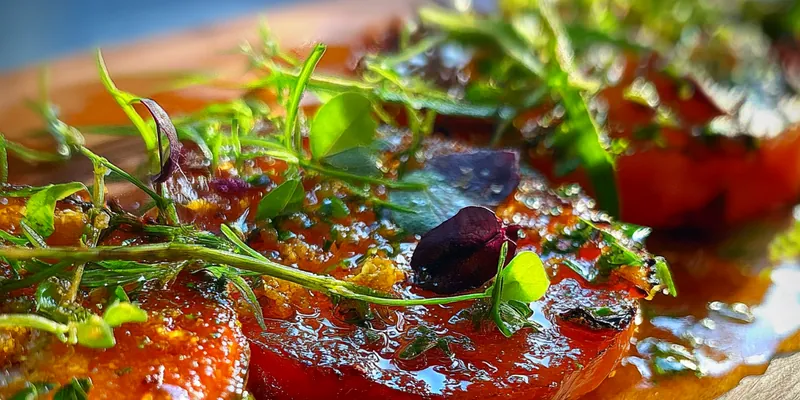
Roasting vegetables is a technique that enhances their natural flavors and sweetness. The high heat causes the sugars in the vegetables to caramelize, resulting in a rich, complex taste. This method also helps retain essential nutrients, making roasted vegetables a healthy choice. Additionally, roasting allows for versatility; you can mix and match seasonal vegetables based on what you have available. The result is a colorful, flavorful dish that's not only nutritious but also visually appealing.
What makes this roasted vegetable recipe special is its simplicity and adaptability. You can customize the vegetables and seasonings according to your taste preferences or based on what’s in season. This approach not only keeps meals exciting but also encourages the use of fresh, local produce. The addition of lemon juice at the end brightens the dish, elevating the flavors and making it a favorite among family and friends.
💡 Professional Tip
For the best results, ensure your vegetables are cut into uniform sizes for even cooking. Don't overcrowd the baking sheet, as this can trap steam and prevent the vegetables from getting crispy. Experiment with different herbs and spices to personalize the flavor, and don't hesitate to try different oils for unique taste profiles. Lastly, serve them immediately after roasting to enjoy their optimal texture and flavor.
Frequently Asked Questions
Yes, you can prepare the vegetables ahead of time. Chop and season them, then store in an airtight container in the refrigerator for up to 24 hours before roasting. When ready to cook, simply preheat the oven and roast as directed. This makes it a convenient option for meal prep or busy weeknights.
You can substitute any seasonal vegetables based on your preference or availability. For example, root vegetables like sweet potatoes or parsnips work well, as do leafy greens like kale or spinach added towards the end of roasting. If you're looking for a different flavor profile, consider adding squash or asparagus. Feel free to experiment and find your favorite combinations.
The vegetables are done when they are tender to the fork and exhibit a slight golden-brown color. If you prefer more caramelization, you can leave them in the oven a few minutes longer, but keep an eye on them to prevent burning. The aroma of the roasted vegetables will also be a good indicator that they're ready to be enjoyed.
While it's possible to freeze roasted vegetables, it's best to consume them fresh for the best flavor and texture. If you do freeze them, allow the roasted vegetables to cool completely before transferring to an airtight container. They can be stored in the freezer for up to three months. When ready to use, thaw in the refrigerator and reheat in the oven for best results.
Roasted Seasonal Vegetables pair well with a variety of main dishes such as grilled meats, fish, or plant-based protein options like lentils or chickpeas. They can also be served alongside grains like quinoa or rice for a more substantial meal. For a complete dinner, consider adding a fresh salad or crusty bread to round out the meal.
Leftover roasted vegetables can be stored in an airtight container in the refrigerator for up to 4 days. To maintain their best quality, try to consume them within this time frame. Reheat them in the oven or on the stovetop to bring back their crispy texture before serving.
You can easily adjust the spice level of roasted vegetables by adding more or less of your favorite spices. For a mild flavor, stick to the recommended seasonings, but if you prefer a little heat, consider adding red pepper flakes or a dash of cayenne pepper. Experiment with different herbs and spices to create your signature blend.
The best way to reheat roasted vegetables is in the oven. Preheat to 375°F (190°C) and spread the vegetables on a baking sheet, allowing them to crisp up again. This method helps to maintain their flavor and texture compared to using the microwave, which can make them soggy.
Recipe Troubleshooting Guide
Too Dry
Problem: If your roasted vegetables turn out too dry, it may be due to overcooking or not using enough oil.
Solution: To prevent this, always monitor the cooking time closely and ensure that the vegetables are well-coated with oil before roasting. Consider adding a splash of broth or water during cooking if they start to dry out.
Not Crispy
Problem: Vegetables can end up soggy if they are overcrowded on the baking sheet or if the oven temperature is too low.
Solution: Make sure to spread the vegetables in a single layer and give them space to breathe. Additionally, always preheat your oven to the correct temperature before roasting.
Overcooked
Problem: If your vegetables are overcooked, they may become mushy and lose their vibrant colors.
Prevention: To avoid this, set a timer and check for doneness a few minutes before the recommended cooking time. Remember, vegetables will continue to cook slightly even after being removed from the oven.
Undercooked
Problem: Undercooked vegetables will be crunchy and hard to eat.
Recovery: If this happens, return them to the oven for a few more minutes. Stirring them can also help them cook evenly.
Burnt
Problem: Burnt vegetables can happen if the oven temperature is too high or if they are left in for too long.
Prevention: To prevent burning, keep an eye on the vegetables during the last few minutes of cooking. If they start to darken too quickly, you can lower the oven temperature slightly.
Flavor Balance
Too Sweet: If your dish tastes too sweet, it may be due to the natural sugars in the vegetables.
Too Salty: If the dish is too salty, consider adding a small amount of lemon juice or vinegar to balance the flavors.
Bland: If the vegetables lack flavor, try increasing the seasoning or adding a sprinkle of freshly grated cheese before serving.
Key Ingredients
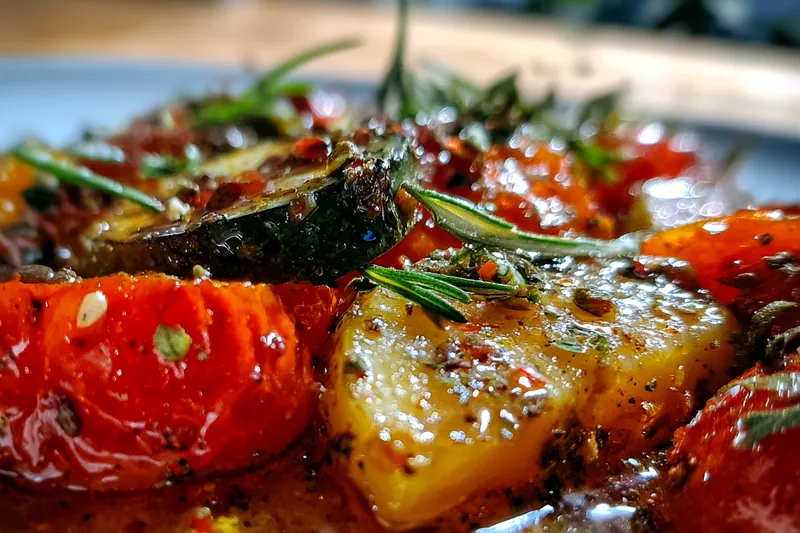
The main ingredients for Roasted Seasonal Vegetables include a variety of fresh vegetables that are in season. Common choices are carrots, zucchini, bell peppers, red onion, and broccoli. These vegetables not only add color but also provide a range of nutrients. When selecting your vegetables, opt for those that are firm and vibrant, as they will yield the best flavor when roasted.
Seasonings play a crucial role in elevating the taste of roasted vegetables. Simple herbs like thyme and rosemary complement the natural flavors without overpowering them. Garlic powder adds a hint of savory depth, while olive oil helps in achieving that perfect golden-brown finish. Adjusting these seasonings allows you to tailor the dish to your personal taste.
Essential Ingredient Notes
- Main Ingredient: Carrots are a fantastic main ingredient for roasting due to their natural sweetness. They caramelize beautifully in the oven, adding depth to the overall flavor. Rich in beta-carotene, they also contribute to the dish's nutritional value. Experiment with different varieties, such as rainbow or baby carrots, for added visual appeal.
- Second Key Ingredient: Zucchini is another excellent choice for roasting, as it cooks quickly and retains a tender texture. It absorbs the flavors of the seasonings well, making it a versatile addition. Packed with vitamins and minerals, zucchini also adds moisture to the dish. Choose small to medium-sized zucchinis for the best results.
- Essential Seasoning: Olive oil is essential for roasting vegetables, as it helps achieve that desirable crispy exterior. It also provides healthy fats that enhance the dish's flavor. Make sure to use high-quality extra virgin olive oil for the best taste. You can also experiment with different oils, such as avocado or grapeseed, for unique flavor profiles.
Cooking Process
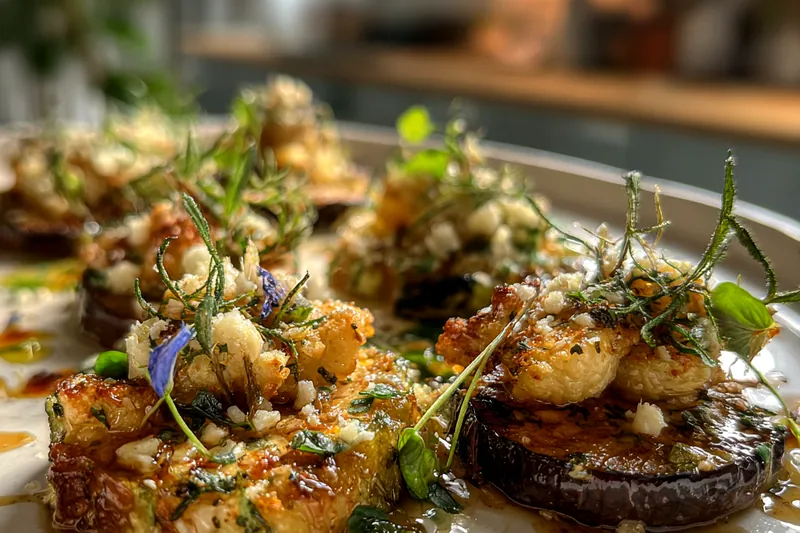
To create perfectly roasted seasonal vegetables, start by preheating your oven to a high temperature. This is critical for achieving that nice caramelization on the vegetables. Prepare your vegetables by washing and chopping them into uniformly sized pieces, allowing for even cooking. Season generously with olive oil and spices, ensuring every piece is well-coated.
Once the vegetables are arranged on the baking sheet, roast them in the oven until they are tender and browned. Stirring halfway through helps to promote even cooking and prevents burning. After removing them from the oven, finish with a squeeze of lemon juice to brighten the flavors. Serve immediately for the best taste and texture.
Key Technique
The key technique in this recipe is roasting at a high temperature. This allows the vegetables to caramelize, enhancing their natural sweetness and flavor. Ensuring even cutting and spacing on the baking sheet is crucial for consistent cooking. Don't forget to monitor the cooking time and adjust seasonings to suit your preference. Lastly, adding fresh herbs or a squeeze of citrus at the end can elevate the dish even further.
Roasted Seasonal Vegetables
📋 Ingredients
Main Ingredients
- 1 teaspoon garlic powderadds savory flavor
- 1 teaspoon dried thymecomplements sweetness
- 1 teaspoon dried rosemaryadds aromatic flavor
Sauce/Seasoning
- 2 cups chopped carrotsnatural sweetness
- 2 cups chopped zucchiniquick cooking
- 1 cup chopped bell peppersadds color
- 1 cup chopped red onionadds sweetness
- 2 cups broccoli floretsnutrient-rich
Instructions
Preheat the Oven
Begin by preheating your oven to 425°F (220°C). This high temperature helps to caramelize the vegetables, enhancing their flavors.
Prepare the Vegetables
Wash and chop all the vegetables into bite-sized pieces. Ensure they are roughly the same size for even cooking.
Season the Vegetables
In a large bowl, combine the chopped vegetables with olive oil, garlic powder, thyme, rosemary, salt, and pepper. Toss well to ensure all pieces are evenly coated.
Arrange on Baking Sheet
Spread the seasoned vegetables evenly on a baking sheet lined with parchment paper. Make sure not to overcrowd the pan to allow for proper roasting.
Roast the Vegetables
Place the baking sheet in the preheated oven and roast the vegetables for 25-30 minutes, stirring halfway through. This will help them cook evenly and develop a nice golden color.
Check for Doneness
The vegetables should be tender and slightly caramelized when done. You can test doneness by piercing them with a fork.
Add Lemon Juice
Once out of the oven, drizzle the juice of half a lemon over the roasted vegetables. This adds a fresh brightness to the dish.
Garnish and Serve
Garnish with freshly chopped parsley for added flavor and color. Serve warm as a delicious side dish.
Recipe Notes & Tips
Storage Tips
Store leftover roasted vegetables in an airtight container in the refrigerator for up to 4 days. To reheat, place them in the oven until warmed through. For best results, consume them fresh to enjoy their optimal texture and flavor.
Serving Ideas
Roasted Seasonal Vegetables can complement a variety of main dishes, including grilled chicken, fish, or plant-based proteins. They also pair beautifully with grains like quinoa or rice for a complete meal. For a fresh touch, serve alongside a crisp salad.
Variations
Feel free to get creative with your roasted vegetable mix! Seasonal ingredients like Brussels sprouts, eggplant, or cauliflower can provide exciting flavors. You can also experiment with different herbs and spices to suit your taste preferences. Adding a sprinkle of cheese or a drizzle of balsamic glaze before serving can elevate the dish even further.