Lemon Herb Roasted Chicken
Lemon Herb Roasted Chicken is a delightful dish that combines the zesty brightness of lemons with fresh herbs, creating a flavor-packed meal that is sure to impress. Whether you're hosting a family gathering or enjoying a quiet dinner at home, this recipe is simple to prepare and yields a beautifully roasted chicken with crispy skin and tender meat. Its origins can be traced to Mediterranean cooking, where lemon and herbs have long been used to enhance the flavor of meats. This dish is special because it offers a perfect balance of acidity and savory richness, making it a favorite among both casual cooks and professional chefs.

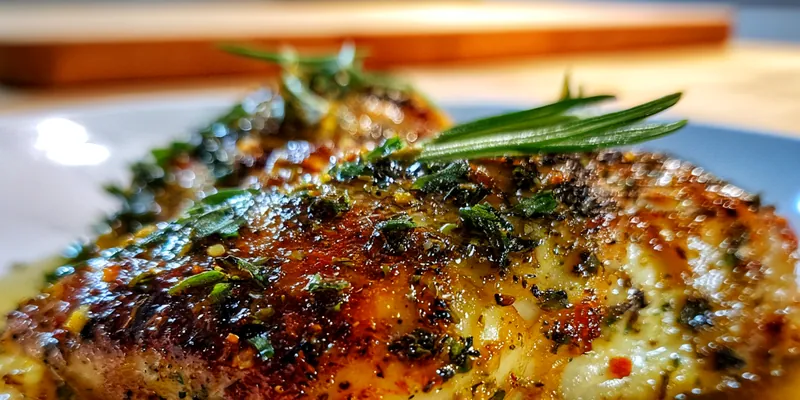
Why This Lemon Herb Roasted Chicken Works
The methodology behind this Lemon Herb Roasted Chicken is rooted in the principles of flavor infusion and moisture retention. By marinating the chicken in a mixture of lemon juice, herbs, and spices, the flavors penetrate the meat, ensuring every bite is packed with taste. The high roasting temperature helps to achieve a perfectly crispy skin while sealing in the juices, resulting in tender, succulent meat. This technique not only enhances flavor but also creates a visually appealing dish that looks as good as it tastes.
What makes this recipe unique is the balance of bright citrus and earthy herbs, which complements the richness of the chicken. The addition of garlic and onion adds depth to the flavor profile, creating a well-rounded dish that is satisfying and delicious. This roasted chicken is versatile and can be served with a variety of sides, making it a fantastic choice for any occasion, from casual weeknight dinners to elegant holiday gatherings.
💡 Professional Tip
For the best results, consider spatchcocking the chicken before marinating. This method involves removing the backbone, allowing the chicken to lay flat, which promotes even cooking and reduces the roasting time. Additionally, use a good quality olive oil for marinating, as it enhances the overall flavor of the dish. If you prefer a more pronounced lemon flavor, add extra lemon zest or even a bit of lemon peel in the cavity during roasting. Lastly, always let your chicken rest before carving; this critical step ensures juicy meat and a more enjoyable dining experience.
Frequently Asked Questions
Yes, you can prepare the Lemon Herb Roasted Chicken ahead of time. After marinating, you can store the chicken in the refrigerator for up to 24 hours before roasting. This allows the flavors to meld even more, resulting in a richer taste. If you need to reheat, do so gently to keep the meat moist.
If you don’t have certain herbs on hand, you can easily substitute dried herbs for fresh ones, using 1/3 of the amount. For example, if you don’t have fresh thyme, dried thyme can work. You can also use other citrus fruits like oranges or limes for a different twist. Additionally, if you prefer a different protein, this marinade works well with other cuts of chicken or even pork.
The best way to know if your Lemon Herb Roasted Chicken is done is to use a meat thermometer. Insert it into the thickest part of the thigh without touching the bone; it should read at least 165°F (74°C). Additionally, the juices should run clear when you pierce the thigh with a fork. If you press the meat and it springs back, it's also a good indicator of doneness.
Yes, you can freeze Lemon Herb Roasted Chicken. After cooking, let it cool completely before wrapping it tightly in plastic wrap and then placing it in an airtight container or freezer bag. It can be frozen for up to 3 months. To reheat, simply thaw in the refrigerator overnight and warm in the oven or microwave until heated through.
Lemon Herb Roasted Chicken pairs beautifully with a variety of sides. Consider serving it with roasted vegetables, garlic mashed potatoes, or a fresh garden salad. For a more Mediterranean feel, try serving it with couscous or quinoa salad. Don't forget some crusty bread to soak up the delicious juices!
Cooked Lemon Herb Roasted Chicken can be stored in the refrigerator for up to 4 days. Make sure to place it in an airtight container to maintain freshness. If storing leftovers, it’s best to remove the meat from the bone and keep it in smaller portions for easy reheating. Always check for any signs of spoilage before consuming.
You can easily adjust the spice level of your Lemon Herb Roasted Chicken. If you prefer a little heat, consider adding red pepper flakes to the marinade. Alternatively, you can omit any spices you find too strong. Experimenting with the herbs and spices can help you find the perfect balance for your taste.
The best way to reheat Lemon Herb Roasted Chicken is in the oven to maintain its crispy skin. Preheat the oven to 350°F (175°C) and place the chicken on a baking sheet. Cover it loosely with aluminum foil to prevent drying out and heat for about 20-25 minutes or until warmed through. You can also use a microwave for quicker reheating, but the skin won't remain crispy.
Recipe Troubleshooting Guide
Too Dry
Problem: If your Lemon Herb Roasted Chicken turns out too dry, it's often due to overcooking. Chicken breasts are particularly prone to drying out if cooked for too long.
Solution: To prevent this in the future, use a meat thermometer to check for doneness. Additionally, consider brining your chicken before cooking to help retain moisture, or baste it periodically during roasting.
Not Crispy
Problem: A common issue with roasted chicken is the skin not achieving that desired crispiness. This can happen if the chicken is too wet when placed in the oven.
Solution: To ensure crispy skin, thoroughly dry the chicken with paper towels before applying the marinade. You can also increase the oven temperature slightly during the last few minutes of roasting to encourage browning.
Overcooked
Problem: If you find your chicken is overcooked, it may result in tough and chewy meat. This often occurs if the cooking time is too long or the temperature is too high.
Prevention: To avoid this, keep an eye on the internal temperature and remove the chicken from the oven as soon as it reaches 165°F (74°C). If overcooked, consider shredding the meat for use in salads or sandwiches, where it can be more palatable.
Undercooked
Problem: Undercooked chicken can be a health risk and is often a result of uneven cooking or not checking the internal temperature.
Recovery: Always ensure that you use a meat thermometer and insert it into the thickest part of the thigh. If the chicken is undercooked, return it to the oven and continue cooking until it reaches the safe temperature.
Burnt
Problem: If your chicken comes out burnt, it could be due to too high an oven temperature or cooking for too long.
Prevention: To prevent burning, monitor the chicken closely during the last few minutes of cooking. If the skin is getting too dark, you can cover it loosely with foil to protect it while the meat finishes cooking.
Flavor Balance
Too Sweet: If your chicken tastes too sweet, it may be due to too much sugar or sweet elements in the marinade.
Too Salty: A salty flavor could stem from over-salting or using products like soy sauce in the marinade. Adjusting the salt levels in future preparations can help.
Bland: If the chicken lacks flavor, consider adding more herbs, spices, or acid to the marinade next time. Allowing the chicken to marinate longer can also enhance its flavor.
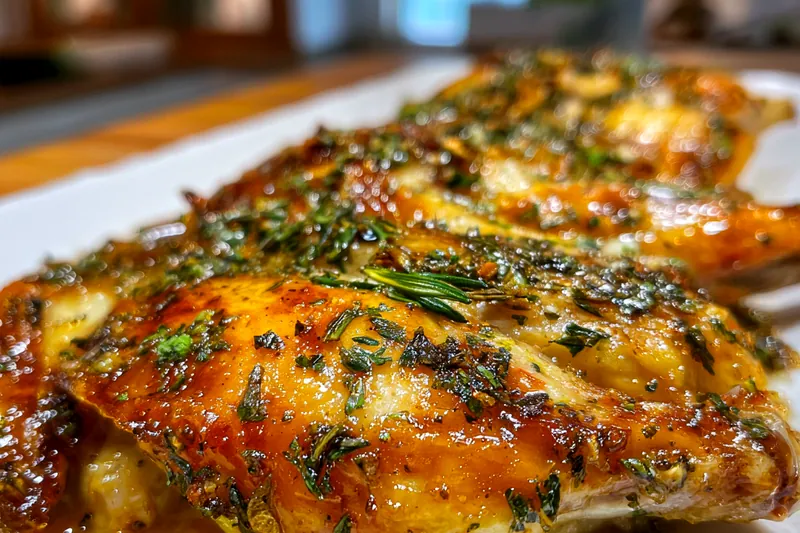
Key Ingredients
The primary ingredient in this recipe is a whole chicken, which serves as the canvas for the bright lemon and herb flavors. Selecting a high-quality chicken is essential for a succulent roast. The fresh herbs like thyme, rosemary, and parsley not only impart their unique tastes but also elevate the overall dish. Each component works together to create a harmonious balance of flavors that is sure to impress.
The seasonings in this recipe play a crucial role in enhancing the chicken's natural flavors. The combination of lemon juice and zest provides a refreshing acidity that cuts through the richness of the chicken. Garlic adds depth and aroma, while olive oil helps to keep the meat moist during roasting. A touch of paprika not only adds color but also a subtle smokiness that rounds out the flavor profile beautifully.
Essential Ingredient Notes
- Main Ingredient: Choosing the right whole chicken makes a significant difference in the outcome of your dish. Opt for organic or free-range chickens when possible, as they tend to have better flavor and texture. Make sure the chicken is fresh, with no unpleasant odors or discoloration. A well-cared-for bird will result in a more enjoyable meal.
- Second Key Ingredient: Lemons are essential for this recipe, adding brightness and acidity that enhance the dish's overall flavor. Use fresh lemons rather than bottled juice for the best flavor and aroma. The zest contains oils that are fragrant and flavorful, so don’t skip this step. If you're feeling adventurous, try experimenting with different citrus fruits for a unique twist.
- Essential Seasoning: Fresh herbs are crucial in this recipe, as they provide depth and complexity to the flavor profile. Thyme and rosemary are classic choices that pair well with chicken. Be sure to chop them finely so they distribute evenly throughout the marinade. For a fresh taste, consider adding herbs like basil or oregano for a different flavor dimension.
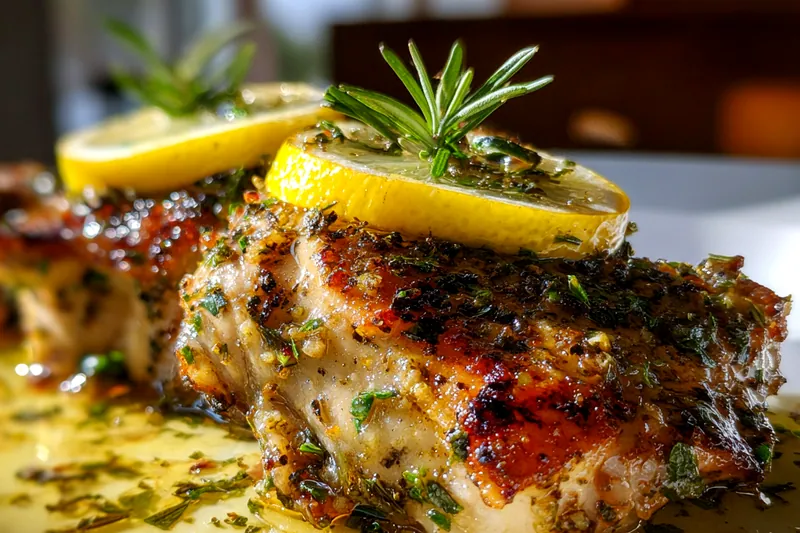
Cooking Process
The cooking process for Lemon Herb Roasted Chicken begins with marinating the chicken in a flavorful mixture. This step is vital as it infuses the meat with the zesty and herbaceous flavors that define the dish. Once marinated, the chicken is placed in a preheated oven, where the high temperature allows the skin to crisp up beautifully. Monitoring the chicken closely during roasting is essential to ensure it cooks evenly and does not dry out.
After roasting, allowing the chicken to rest is crucial for optimal flavor and texture. This resting period allows the juices to redistribute throughout the meat, ensuring a moist and tender result. Once rested, the chicken can be carved and served with the delicious pan juices drizzled on top, offering an extra boost of flavor. With the right techniques, you can create a stunning dish that will impress your guests.
Key Technique
One of the key techniques in achieving a beautifully roasted chicken is the proper use of marinade. By allowing the chicken to marinate for a sufficient amount of time, you enable the flavors to penetrate the meat deeply. Additionally, paying attention to the cooking temperature and time is crucial; a quick sear at a high temperature followed by a moderate cook ensures both crisp skin and juicy meat. Remember, letting the chicken rest post-cooking is essential to avoid dry meat.
Lemon Herb Roasted Chicken
📋 Ingredients
Main Ingredients
- 1/4 cup olive oilhelps to keep the chicken moist
- 1 tablespoon fresh thyme leavesadds a classic flavor
- 1 tablespoon fresh rosemary, choppedprovides earthiness
- 1 tablespoon fresh parsley, choppedfor freshness
- 1 teaspoon paprikaadds color and a hint of smokiness
Sauce/Seasoning
- 1 whole chicken (about 4-5 lbs)the main protein
- 2 lemons, zested and juicedprovides acidity and flavor
- 4 cloves garlic, mincedfor aromatic flavor
- Salt and pepper to tasteessential for seasoning
- 1 onion, quarteredadds moisture and flavor
- 1 cup chicken brothkeeps the chicken moist
Instructions
Prepare the Chicken
Preheat your oven to 425°F (220°C). Rinse the chicken under cold water and pat it dry with paper towels. Season the cavity of the chicken with salt and pepper.
Make the Marinade
In a bowl, combine the lemon zest, lemon juice, minced garlic, olive oil, thyme, rosemary, parsley, paprika, salt, and black pepper. Mix well to create a marinade.
Marinate the Chicken
Rub the marinade all over the chicken, making sure to get it under the skin for maximum flavor. Allow the chicken to marinate for at least 15 minutes, or refrigerate for up to 2 hours.
Prepare for Roasting
Place the quartered onion inside the cavity of the chicken. This adds flavor and moisture during cooking. Add the chicken broth to the bottom of the roasting pan.
Roast the Chicken
Place the chicken breast-side up in the roasting pan. Roast in the preheated oven for about 30-35 minutes, or until the internal temperature reaches 165°F (74°C).
Baste the Chicken
Halfway through cooking, baste the chicken with the pan juices. This will enhance the flavor and keep the meat moist.
Let It Rest
Once fully cooked, remove the chicken from the oven and let it rest for at least 10 minutes before carving. This allows the juices to redistribute.
Serve
Carve the chicken and serve with your favorite sides. Drizzle some of the pan juices over the chicken for added flavor.
Recipe Notes & Tips
Storage Tips
To store leftover Lemon Herb Roasted Chicken, let it cool to room temperature before placing it in an airtight container. Ensure that it's properly sealed to maintain freshness and prevent contamination. You can keep it in the refrigerator for up to four days. For longer storage, consider freezing the chicken, which can extend its shelf life to three months.
Serving Ideas
This Lemon Herb Roasted Chicken is versatile and can be served with various sides. Consider pairing it with roasted vegetables, creamy mashed potatoes, or a fresh garden salad for a complete meal. Adding some crusty bread or a lemon-herb rice can also enhance the dining experience, allowing everyone to enjoy the delicious pan juices.
Variations
Feel free to customize this Lemon Herb Roasted Chicken recipe to suit your taste. You can experiment with different herbs like oregano or basil for a different flavor profile. Adding spices such as cumin or coriander can also bring a unique twist to the dish. For a smoky flavor, consider using smoked paprika instead of regular paprika.