Coleslaw
Coleslaw is a classic American side dish that brings together crisp vegetables and creamy dressing. This dish is not only refreshing but also versatile, making it a perfect accompaniment to barbecued meats and sandwiches. Originating from the early 18th century, coleslaw has evolved into various versions worldwide. What makes this recipe special is its balance of flavors and textures, from the crunchy cabbage to the tangy dressing, providing a delightful contrast to heavier dishes. Whether you're hosting a summer cookout or enjoying a casual family dinner, coleslaw is sure to please.


Why This Coleslaw Works
This coleslaw recipe works because it combines fresh, crisp vegetables with a creamy dressing that balances flavors beautifully. The key is in the preparation: shredding the cabbage and grating the carrots ensures every bite is easy to enjoy. By allowing the coleslaw to chill, you give the dressing time to penetrate the vegetables, enhancing the overall taste. This method not only improves flavor but also helps to maintain the crunchiness of the vegetables, making it a delightful side dish.
What sets this coleslaw apart is its versatility and ability to cater to various palates. The base recipe allows for endless customization, from adding fruits like apples or raisins to incorporating nuts for an extra crunch. This adaptability makes it suitable for any occasion, whether it’s a summer barbecue, a picnic, or a holiday feast. The balance of tangy and sweet flavors ensures that it complements a wide range of main dishes, making it a favorite among many.
💡 Professional Tip
To elevate your coleslaw, consider adding a splash of lemon juice or a pinch of celery seed for an extra layer of flavor. Additionally, allowing the coleslaw to chill for a few hours or overnight can greatly enhance its taste as the ingredients meld together. For a healthier option, substitute Greek yogurt for mayonnaise, providing creaminess without the extra calories. Finally, always taste and adjust the seasoning before serving to ensure your coleslaw is perfectly balanced.
Frequently Asked Questions
Absolutely! Coleslaw can be made ahead of time, which actually enhances its flavor as the ingredients have time to meld. Prepare the coleslaw and store it in an airtight container in the refrigerator for up to 2 days. Just be sure to give it a good stir before serving, as some liquid may accumulate at the bottom. For best results, avoid adding any delicate ingredients, like nuts or fruits, until just before serving to maintain their texture.
If you're looking to make substitutions in your coleslaw recipe, there are several options available. For the mayonnaise, you can use Greek yogurt or a dairy-free alternative to create a lighter dressing. Instead of cabbage, you can experiment with kale or broccoli slaw for a different flavor profile. Additionally, adding diced apples, bell peppers, or even shredded Brussels sprouts can provide a fresh twist while maintaining the crunchy texture that coleslaw is known for.
You will know your coleslaw is done when the vegetables are tender yet still crisp and the dressing coats them evenly. Tasting is key; the flavors should be well balanced between tangy and sweet. If you're unsure, let it chill for the recommended time and taste again before serving. The coleslaw should have a refreshing crunch that pairs well with heavier dishes.
Freezing coleslaw is not recommended as the texture of the vegetables can become mushy upon thawing. The mayonnaise-based dressing can also separate and lose its creaminess. If you must store it for a longer period, consider freezing just the shredded vegetables and making a fresh dressing later. This way, you can enjoy the crispness and flavor without compromising the quality of the dish.
Coleslaw pairs beautifully with a variety of main dishes. It's a classic accompaniment to barbecued meats, such as pulled pork or grilled chicken, adding a refreshing contrast to the smoky flavors. You can also serve it alongside sandwiches, burgers, or fish tacos to enhance the meal. For a complete summer picnic, include coleslaw with potato salad and baked beans for a delightful spread.
Coleslaw can be stored in an airtight container in the refrigerator for up to 3 days. However, for the best quality and taste, it's recommended to consume it within 1-2 days. Be sure to keep it chilled and avoid leaving it out at room temperature for extended periods to maintain freshness. If it starts to appear wilted or loses its crunch, it's best to discard it.
If you want to adjust the spice level of your coleslaw, consider adding a dash of hot sauce or a sprinkle of cayenne pepper to the dressing. You can also mix in diced jalapeños or sliced radishes for a spicier kick. When adjusting the spice level, start with a small amount and taste as you go to achieve your desired heat without overwhelming the other flavors.
Coleslaw is typically served cold, so reheating is not necessary or recommended. If you have leftover coleslaw that has been stored in the refrigerator, simply give it a good stir and serve it cold. If you're serving it alongside a hot dish, consider presenting it separately so guests can enjoy the contrast of temperatures.
Recipe Troubleshooting Guide
Too Dry
Problem: If your coleslaw is too dry, it may lack sufficient dressing to coat the vegetables adequately.
Solution: To fix this, add more dressing gradually, mixing well until the desired consistency is achieved. Be careful not to overwhelm the coleslaw with too much dressing at once.
Not Crispy
Problem: If your coleslaw lacks the desired crispness, it may be due to over-processing the vegetables or not chilling it long enough.
Solution: Ensure you shred the vegetables properly and allow them to chill in the fridge for at least 30 minutes before serving to enhance their crunchiness.
Overcooked
Problem: If your coleslaw is overcooked, it can lose its fresh flavor and crunchy texture.
Prevention: To prevent this, always prepare coleslaw fresh and avoid cooking the vegetables. Remember, coleslaw is meant to be a fresh, raw dish.
Undercooked
Problem: Undercooked coleslaw may have tough vegetables that are hard to chew.
Recovery: Since coleslaw is typically not cooked, focus on ensuring that your vegetables are shredded finely enough to be tender while still retaining their crunch.
Burnt
Problem: Burnt coleslaw can occur if you cook the vegetables, which is not typical for this dish.
Prevention: Always prepare coleslaw using raw vegetables to maintain the freshness and avoid any burnt flavors. If you accidentally cook them, it's best to start over.
Flavor Balance
Too Sweet: If your coleslaw is too sweet, you can add a splash of vinegar or lemon juice to balance the flavors.
Too Salty: If it's too salty, consider adding more shredded vegetables to dilute the saltiness.
Bland: For bland coleslaw, try adding more seasoning, such as pepper, mustard, or even a bit of hot sauce to enhance the flavor.
Key Ingredients
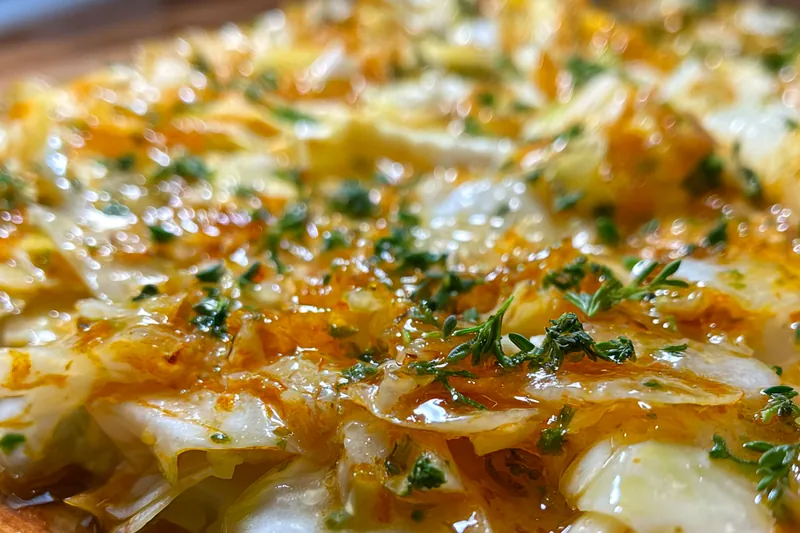
The main ingredients of coleslaw include green cabbage, carrots, and red cabbage. Green cabbage provides a crunchy base, while carrots add a touch of sweetness and vibrant color. Red cabbage not only enhances the visual appeal but also contributes to the overall flavor and texture. These fresh vegetables are essential for creating a classic coleslaw that is refreshing and satisfying.
Seasonings play a crucial role in elevating the flavor of coleslaw. The dressing, typically made with mayonnaise, apple cider vinegar, and sugar, balances creaminess with acidity and sweetness. Adding Dijon mustard gives the dressing a sophisticated touch, enhancing flavor depth. You can also experiment with additional seasonings like celery seeds or freshly chopped herbs to customize your coleslaw to your taste.
Essential Ingredient Notes
- Main Ingredient: Cabbage is the star ingredient in coleslaw, providing both crunch and nutrition. When selecting cabbage, look for heads that are firm and heavy, with vibrant green leaves. Freshness is key to achieving a flavorful dish, so avoid any wilting or discoloration. Shredding the cabbage at home ensures a fresher taste compared to pre-packaged options.
- Second Key Ingredient: Carrots not only add sweetness but also a pop of color to your coleslaw. Fresh, vibrant carrots will provide the best flavor and crunch. When grating, opt for a large-hole grater for a more rustic texture, or a fine grater for a smoother consistency. Either way, ensure they are evenly distributed throughout the coleslaw for balance.
- Essential Seasoning: Mayonnaise is the essential ingredient that gives coleslaw its creamy texture. Choosing a high-quality mayonnaise or making your own can significantly improve the flavor of your dressing. For a lighter alternative, consider Greek yogurt, which adds creaminess without the extra calories. The right balance of acidity from vinegar helps lift the heaviness and enhances overall flavor.
Cooking Process
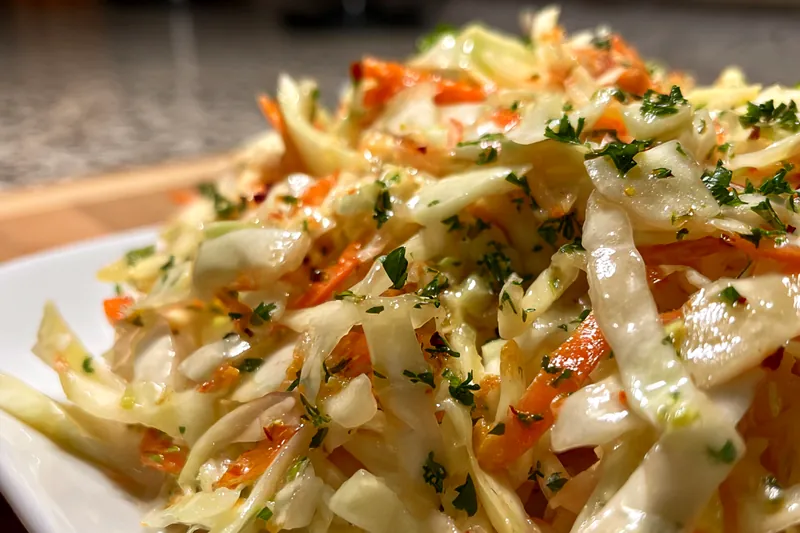
Making coleslaw is a straightforward process that starts with preparing the vegetables. Shred the cabbage and grate the carrots, then combine them in a large bowl. Next, whip up the dressing by mixing mayonnaise, vinegar, sugar, and mustard until smooth. This simple yet effective dressing is what brings the coleslaw to life, infusing it with flavor.
Once the vegetables are coated in the dressing, give them a thorough toss to ensure even distribution. Let the coleslaw chill in the refrigerator for at least 30 minutes to allow the flavors to meld. Just before serving, taste and adjust the seasoning if necessary. This final step is crucial for achieving the perfect flavor balance that makes your coleslaw unforgettable.
Key Technique
The key technique in making coleslaw is the proper handling of vegetables. It's essential to shred the cabbage and carrots evenly to ensure a consistent texture throughout the dish. Chilling the coleslaw allows the flavors to develop, enhancing the overall taste. Additionally, tasting and adjusting the seasoning before serving is vital for achieving the best flavor profile.
Coleslaw
📋 Ingredients
Main Ingredients
- 1 cup mayonnaiseCreamy base for the dressing
- 2 tablespoons apple cider vinegarAdds tanginess
- 1 tablespoon sugarBalances the acidity
- 1 teaspoon Dijon mustardEnhances flavor
- Salt to tasteEssential seasoning
Sauce/Seasoning
- 1 small head of green cabbage, shreddedBase of the coleslaw
- 1 cup carrots, gratedAdds sweetness and color
- 1/2 cup red cabbage, shreddedEnhances color and flavor
- 1/4 cup green onions, choppedAdds freshness
- Optional: 1/2 cup raisins or dried cranberriesFor a touch of sweetness
Instructions
Prepare the Vegetables
Begin by shredding the green and red cabbage into fine pieces. Grate the carrots and chop the green onions. Combine all the vegetables in a large mixing bowl.
Make the Dressing
In a separate bowl, whisk together the mayonnaise, apple cider vinegar, sugar, Dijon mustard, salt, and pepper. Ensure that the dressing is smooth and well combined.
Combine Ingredients
Pour the dressing over the shredded vegetables. Toss everything together until the vegetables are evenly coated with the dressing.
Adjust Seasoning
Taste the coleslaw and adjust seasoning as needed. You can add more salt, pepper, or sugar to balance the flavors according to your preference.
Chill the Coleslaw
Cover the bowl with plastic wrap and refrigerate the coleslaw for at least 30 minutes. Chilling allows the flavors to meld beautifully.
Serve
Once chilled, give the coleslaw a final toss and serve it as a refreshing side dish. It's perfect for barbecues, picnics, or any meal.
Recipe Notes & Tips
Storage Tips
To store coleslaw, keep it in an airtight container in the fridge for up to 3 days. Avoid leaving it out at room temperature to maintain freshness. If you notice any liquid pooling at the bottom, give it a gentle stir before serving. The coleslaw can lose its crunch over time, so it's best enjoyed within a couple of days.
Serving Ideas
Coleslaw is a versatile side dish that pairs well with a variety of main courses. Serve it alongside grilled meats, such as burgers or barbecued ribs, for a classic combo. It also complements sandwiches and wraps beautifully, adding a refreshing crunch. For a picnic, include coleslaw in your spread along with potato salad and baked beans for a delicious, well-rounded meal.
Variations
Experiment with different ingredients to create your own unique coleslaw. Try adding fruits like apples or mango for a sweet twist, or include nuts for added crunch. You can also explore different dressings, such as a vinaigrette or yogurt-based dressing, for a lighter option. This adaptability allows you to tailor coleslaw to your personal taste and seasonal ingredients.