Classic French Toast Delight
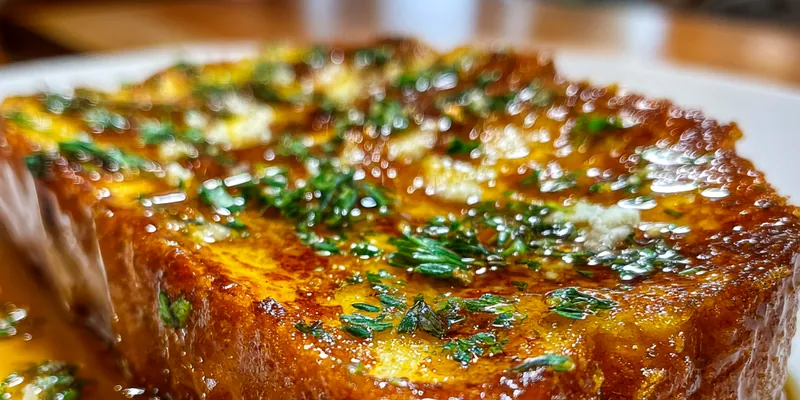
Classic French Toast Delight is a beloved breakfast dish that combines creamy custard-soaked bread with a crispy exterior, resulting in a delightful texture and flavor. This classic recipe has its origins in French cuisine, where it was created to avoid wasting stale bread. Perfect for brunch or a cozy family breakfast, this dish is not only easy to prepare but also allows for endless customization with toppings. What makes this French toast so special is its perfect balance of sweetness and warmth, making every bite a comforting experience.

Why This Classic French Toast Delight Works
The technique behind making Classic French Toast Delight lies in the balance of egg and milk in the custard mixture. The eggs provide structure while the milk adds creaminess, resulting in a perfectly soaked bread that holds its shape during cooking. Additionally, the cinnamon adds depth and warmth, enhancing the overall flavor profile. By allowing the bread to soak adequately, you ensure each slice is infused with deliciousness.
What makes this dish truly special is its versatility. You can easily customize the flavor by experimenting with different types of bread, such as brioche or sourdough. Furthermore, the potential toppings are endless, from fresh fruits and whipped cream to flavored syrups. This adaptability allows you to cater to various preferences and dietary needs, ensuring everyone enjoys their meal.
💡 Professional Tip
For the best results, choose thick-cut bread that can hold up to the custard without falling apart. Allowing the bread to soak longer in the egg mixture creates a richer flavor and softer texture. Cooking the French toast in butter over medium heat ensures a crispy exterior while keeping the inside tender. Always keep your cooked French toast warm in an oven set to a low temperature while you finish cooking the rest.
Frequently Asked Questions
Yes, you can prepare the custard mixture in advance and store it in the refrigerator for up to 24 hours. However, it’s best to soak and cook the bread right before serving to maintain optimal texture and flavor. If you need to make it ahead, consider cooking the French toast and then reheating it in the oven shortly before serving. This will help preserve its crispy exterior.
You can substitute almond milk or oat milk for a dairy-free option if you're lactose intolerant. For a gluten-free version, use gluten-free bread that can absorb the custard well without falling apart. Adding a splash of orange juice or nutmeg can enhance the flavor profile if you're looking for a unique twist. Additionally, egg substitutes like flaxseed meal or applesauce can work for vegans.
The French toast is done when it has a golden brown color on both sides and a slightly firm texture. You can gently press the center to check if it feels set; it should not be overly soft or mushy. An instant-read thermometer can also be used; the internal temperature should reach about 160°F. If you're unsure, it's better to cook a little longer than risk undercooking.
Yes, you can freeze cooked French toast for up to 2 months. To freeze, allow it to cool completely, then layer between parchment paper in an airtight container or freezer bag. When ready to eat, reheat directly from frozen in the oven or toaster. This makes for a quick and convenient breakfast option, especially on busy mornings.
Classic French Toast Delight pairs wonderfully with crispy bacon or sausage for a savory contrast to the sweet toast. Fresh fruit such as berries, banana slices, or even a fruit compote can brighten up the dish. For an extra treat, serve with whipped cream or a dollop of yogurt. Lastly, a sprinkle of nuts adds a nice crunch and additional flavor.
Cooked French toast can be stored in the refrigerator in an airtight container for up to 3 days. If you have any leftovers, ensure they are cooled before refrigerating to maintain their quality. Reheat in a skillet or microwave until warmed through. For longer storage, consider freezing as mentioned earlier.
You can easily adjust the spice level by increasing or decreasing the amount of cinnamon based on your preference. For a warmer flavor, consider adding a pinch of nutmeg or cardamom to the custard mixture. If you'd like a more unique twist, integrate flavored extracts such as almond or maple. Experimentation is key to finding the perfect balance that suits your taste buds.
The best way to reheat French toast is in the oven. Preheat the oven to 350°F, and place the French toast on a baking sheet for about 10-15 minutes until heated through. This method ensures the toast retains its crispiness. Alternatively, you can use a toaster or microwave, although the latter may make it a bit soggy.
Recipe Troubleshooting Guide
Too Dry
Problem: If your French toast turns out too dry, it may be due to insufficient soaking or cooking times. Thick bread requires adequate soaking to absorb the custard for optimal moisture.
Solution: To remedy this in the future, ensure you soak each slice thoroughly but don't let it sit too long. Additionally, cooking over medium heat can prevent the outside from cooking too quickly while the inside remains dry.
Not Crispy
Problem: French toast may not turn out crispy if the heat is too low or if it’s overcrowded in the pan. This can lead to steaming rather than frying.
Solution: To achieve a crispy texture, ensure the skillet is properly heated before adding the butter and bread. Cook in smaller batches to avoid overcrowding, allowing each slice enough space to brown evenly.
Overcooked
Problem: Overcooked French toast can result in a tough texture and burnt flavor. This occurs when the bread is left in the skillet for too long or cooked at too high a temperature.
Prevention: To avoid overcooking, monitor the color closely and adjust the heat as necessary. Remember, it should cook until golden brown, not dark brown. If you notice it browning too quickly, reduce the heat and cook longer.
Undercooked
Problem: Undercooked French toast will have a soggy and custardy center that isn't fully set. This can happen if the bread hasn't soaked long enough or if the cooking time is too short.
Recovery: To fix this, ensure you allow adequate soaking time and adjust cooking time as needed. Use an instant-read thermometer to check that the internal temperature reaches 160°F for safe consumption.
Burnt
Problem: Burnt French toast usually results from cooking on too high of heat or not monitoring the cooking process closely.
Prevention: To prevent burning, always cook on medium heat and keep an eye on the toast while it cooks. If you notice that it's browning too quickly, reduce the heat immediately to avoid further charring.
Flavor Balance
Too Sweet: If your French toast is too sweet, it may be due to the syrup or toppings used. Adjusting the quantity can help.
Too Salty: Too salty French toast might result from over-salting the custard mixture. To balance, add a bit of sugar or vanilla to counteract the saltiness.
Bland: If the flavor is bland, consider increasing the cinnamon and vanilla extract in the custard mixture. A pinch of nutmeg can also enhance the overall flavor.
Key Ingredients
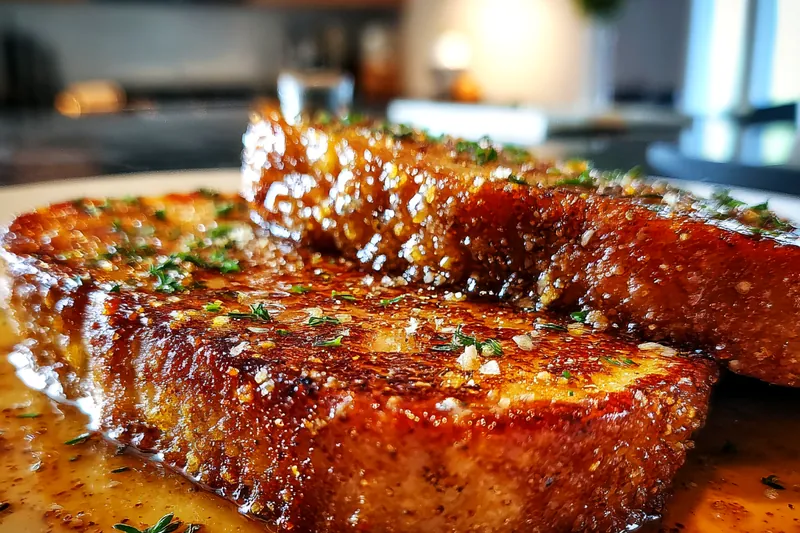
The main ingredients for Classic French Toast Delight include eggs, milk, and thick slices of bread. Eggs are essential for creating the custard that soaks into the bread, while whole milk adds creaminess and richness. Using thick bread like challah or brioche ensures that the toast holds up well without becoming soggy, allowing for the perfect texture. Each ingredient plays a vital role in achieving a delightful French toast experience.
In addition to the main ingredients, seasonings like vanilla extract and cinnamon elevate the flavor profile of the dish. Vanilla extract adds a sweet and aromatic quality, while cinnamon introduces warmth and spice. Together, they create a harmonious blend that makes each bite of French toast truly delightful. You can also experiment with other spices or flavorings to customize your version.
Essential Ingredient Notes
- Main Ingredient: Thick-cut bread is crucial for achieving the best Classic French Toast Delight. Opt for bread like challah or brioche, as they absorb the custard beautifully and create a fluffy texture. Avoid using thin or pre-sliced bread, as it can become mushy during soaking. Ensure the bread is slightly stale for optimal results, as day-old bread absorbs the custard more effectively.
- Second Key Ingredient: Eggs are the star of the custard mixture in French toast. The protein in eggs helps bind the mixture together, giving the custard structure. Using fresh, high-quality eggs will yield the best flavor and texture. For a creamier custard, consider using a mix of whole eggs and egg yolks.
- Essential Seasoning: Cinnamon is an essential seasoning that brings warmth and depth to Classic French Toast Delight. Just a teaspoon can elevate the dish and enhance its comforting qualities. You can also experiment with other spices, such as nutmeg or cardamom, to create a unique flavor profile. Balancing the sweetness of the dish with the right amount of spice will result in a delicious breakfast treat.
Cooking Process
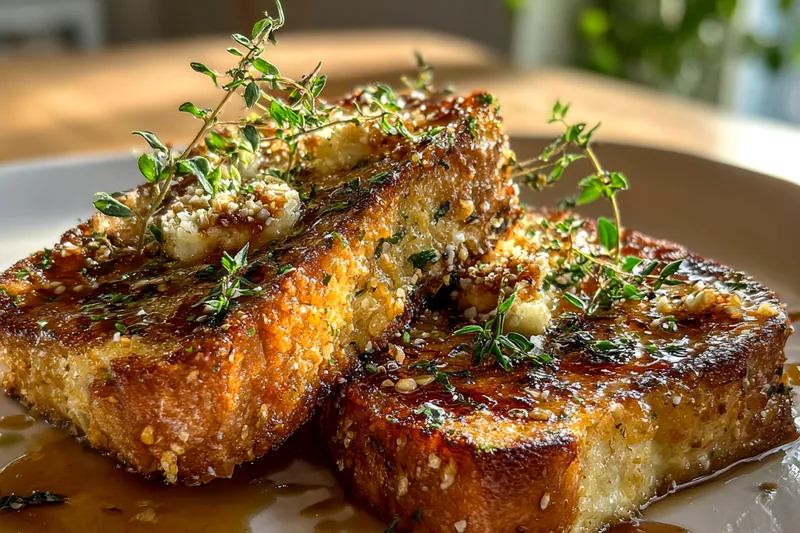
The cooking process for Classic French Toast Delight is simple yet satisfying. After preparing your custard mixture and soaking the bread, it's time to heat your skillet with butter. Make sure the skillet is hot enough before adding the soaked bread to achieve a golden-brown crust. This step is crucial for creating that perfect crispy exterior while keeping the inside soft and fluffy.
Once the French toast is cooked, transfer it to a warm plate to keep it nice and toasty while you finish the rest of the batch. Don't forget to add toppings such as maple syrup, fresh fruit, or powdered sugar to enhance the flavors. The final touches are what make this dish truly delightful and memorable for your breakfast table.
Key Technique
The key technique in making Classic French Toast Delight is ensuring the right soaking time for the bread. Too little time results in a dry texture, while too much can lead to sogginess. The goal is to achieve a balance where the bread is properly saturated with the custard but retains its structure. Additionally, cooking at the right temperature is essential for achieving that perfect golden-brown crust without burning.
Classic French Toast Delight
📋 Ingredients
Main Ingredients
- Maple syrup (for serving)Choose high-quality pure maple syrup for the best flavor.
Sauce/Seasoning
- 4 large eggsFresh eggs for the custard mixture.
- 1 cup whole milkCreamy milk enhances texture.
- 2 teaspoons vanilla extractAdds sweetness and aroma.
- 1 teaspoon ground cinnamonEssential for flavor balance.
- 1/2 teaspoon saltEnhances overall taste.
- 8 slices of thick bread (preferably challah or brioche)Holds up well during soaking.
- 4 tablespoons unsalted butterFor a rich, crispy finish.
Instructions
Prepare the Egg Mixture
In a large bowl, whisk together the eggs, milk, vanilla extract, cinnamon, and salt until well combined. This mixture is the key to achieving a rich and flavorful custard that will soak into the bread.
Soak the Bread
Dip each slice of bread into the egg mixture, ensuring both sides are well coated. Allow the slices to soak for about 30 seconds to 1 minute, depending on the thickness of the bread, so they absorb enough custard.
Heat the Butter
In a large skillet or griddle, melt 1 tablespoon of butter over medium heat. Make sure the pan is hot enough so that the butter sizzles upon contact, ensuring a nice golden crust on the French toast.
Cook the French Toast
Place the soaked bread slices onto the skillet, cooking in batches if necessary. Cook for 2-3 minutes on each side until golden brown and crispy, adjusting the heat as needed to prevent burning.
Repeat Cooking
Add more butter to the skillet for each new batch of French toast. Continue this process until all slices are cooked and have a beautiful golden hue.
Serve Warm
Transfer the cooked French toast to a warm plate and serve immediately. Top with a drizzle of maple syrup, a sprinkle of powdered sugar, and a handful of fresh berries for a delightful presentation.
Enjoy Your Meal
Gather your family or friends around the table to enjoy this delicious breakfast. It's perfect for special occasions or a cozy weekend brunch.
Recipe Notes & Tips
Storage Tips
To store leftover French toast, allow it to cool completely before placing it in an airtight container. Refrigerate and consume within 3 days for the best quality. Reheat in a skillet for a crispy finish, or use an oven for even heating. Avoid microwaving, as it can make the toast soggy.
Serving Ideas
For a delightful brunch experience, serve Classic French Toast Delight with a side of crispy bacon or sausage links. Fresh fruit such as strawberries, blueberries, or sliced bananas adds a refreshing touch. You can also offer whipped cream or yogurt for added creaminess and sweetness. A sprinkle of chopped nuts or coconut flakes can enhance the texture and flavor.
Variations
Feel free to experiment with different breads, like sourdough or gluten-free options, to customize your French toast. You can also add flavorings such as almond extract or citrus zest to the egg mixture for a unique twist. Toppings can vary widely; consider using chocolate chips, caramel sauce, or even a savory twist with cheese and herbs. The possibilities are endless!