Beef Stew
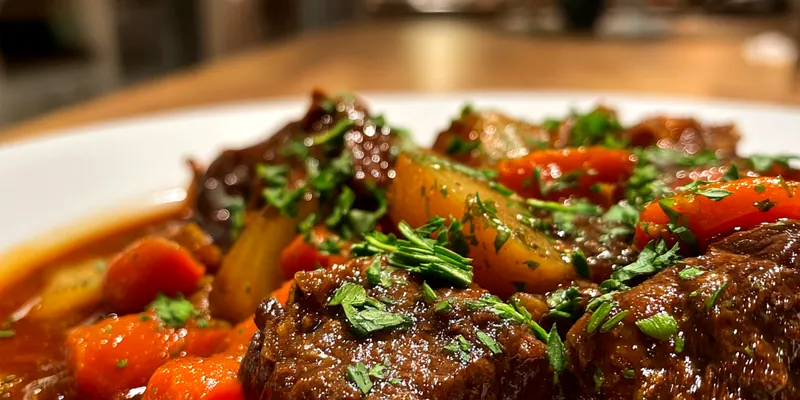
This beef stew is a classic comfort food, ideal for chilly evenings. Rich flavors develop as it simmers. Perfectly tender beef and vegetables create a satisfying meal.

Why This Works
Beef stew benefits from slow cooking, allowing flavors to meld beautifully. The beef becomes tender and juicy, while vegetables soften perfectly. This method ensures a rich, hearty dish.
Using quality beef and fresh veggies enhances the taste. The right spices elevate the flavor profile. Each bowl is a comforting hug on a cold day.
💡 Professional Tip
For extra depth, sear the beef well before adding liquids. A splash of red wine can also enhance complexity.
Frequently Asked Questions
Absolutely! Beef stew tastes even better the next day. Just refrigerate it and reheat when ready.
You can use chicken or pork instead of beef. Adjust cooking times accordingly for different meats.
The stew is done when the beef is fork-tender. Vegetables should be soft but not mushy.
Yes, beef stew freezes well for up to three months. Thaw in the refrigerator before reheating.
Serve with crusty bread or over mashed potatoes. A side salad complements the meal nicely.
Store leftovers in an airtight container for up to 4 days in the fridge. Reheat thoroughly before serving.
Add red pepper flakes or a diced jalapeño for heat. Adjust based on your spice tolerance.
Reheat on the stove over low heat, stirring occasionally. You can also use a microwave if needed.
Recipe Troubleshooting Guide
Too Dry
Problem: The beef may have overcooked.
Solution: Ensure you simmer gently and check tenderness regularly.
Not Crispy
Problem: Vegetables may not have been browned enough.
Solution: Sauté them until golden before adding broth.
Overcooked
Problem: Beef has lost texture and is mushy.
Prevention: Reduce cooking time in future batches.
Undercooked
Problem: Beef or veggies remain tough.
Recovery: Cook longer until desired tenderness.
Burnt
Problem: Stew stuck to the pot.
Prevention: Use a heavy-bottomed pot and stir frequently.
Flavor
Too Sweet: Add a touch of sugar to balance flavors.
Too Salty: Dilute with additional broth or water.
Bland: Enhance with more herbs and spices.
Ingredients
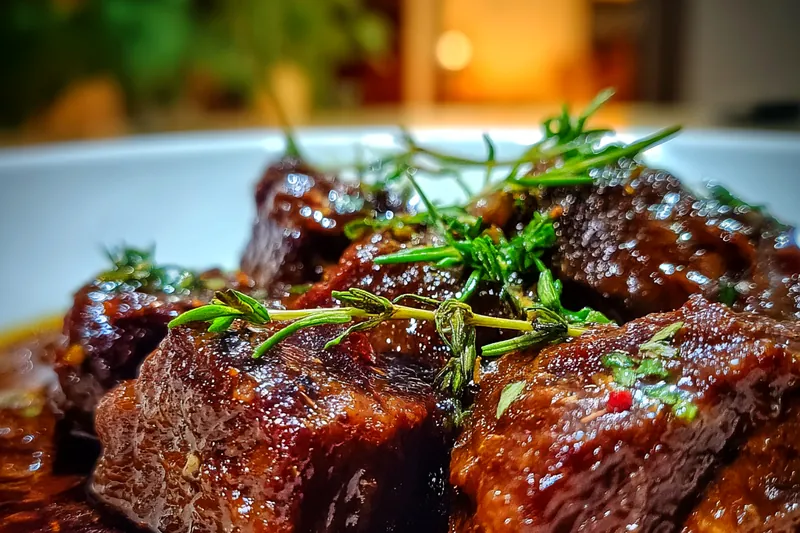
Gather quality ingredients for the best flavor. Fresh vegetables enhance the dish's appeal. Use high-quality beef for tenderness.
Prepare all ingredients before starting. This ensures a smoother cooking process. Trim and chop everything to save time.
Essential Ingredient Notes
- Main: Choose chuck roast for the best flavor and tenderness. Cut into uniform pieces for even cooking.
- Second: Fresh herbs like thyme and bay leaves elevate the stew. Use dried herbs if fresh aren’t available.
- Third: Adding a splash of Worcestershire sauce deepens the flavor. Consider a splash of red wine for richness.
Cooking
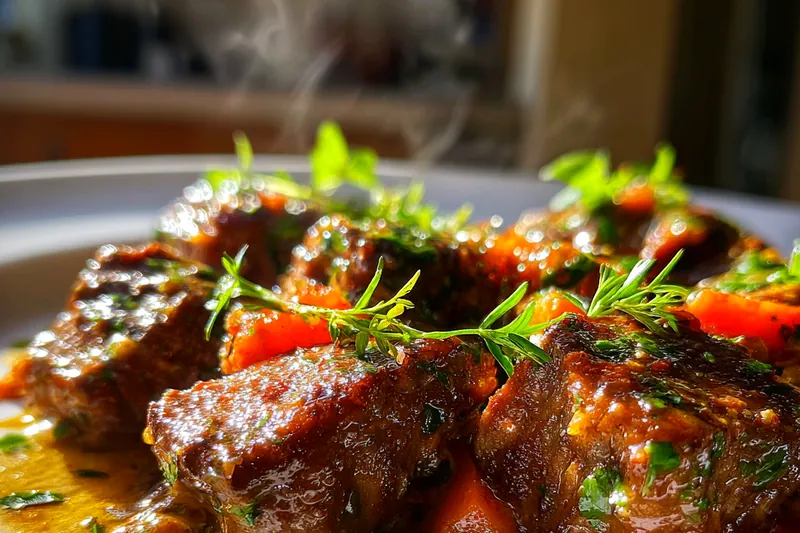
Begin by browning the beef for flavor. This step is crucial for developing rich, deep tastes. Don't rush this process.
As the stew simmers, the aromas will fill your kitchen. Stir occasionally to prevent sticking. Enjoy the anticipation!
Key Technique
Searing meat before simmering adds layers of flavor. Use a heavy pot to maintain even heat. Patience is key for a tender, flavorful stew.
Beef Stew
📋 Ingredients
Protein
- {{sauce_ingredients}}
Vegetables
- {{main_ingredients}}
Instructions
- {{instructions_list}}
Recipe Notes & Tips
{{note_1_title}}
{{note_1_content}}
{{note_2_title}}
{{note_2_content}}
{{note_3_title}}
{{note_3_content}}